
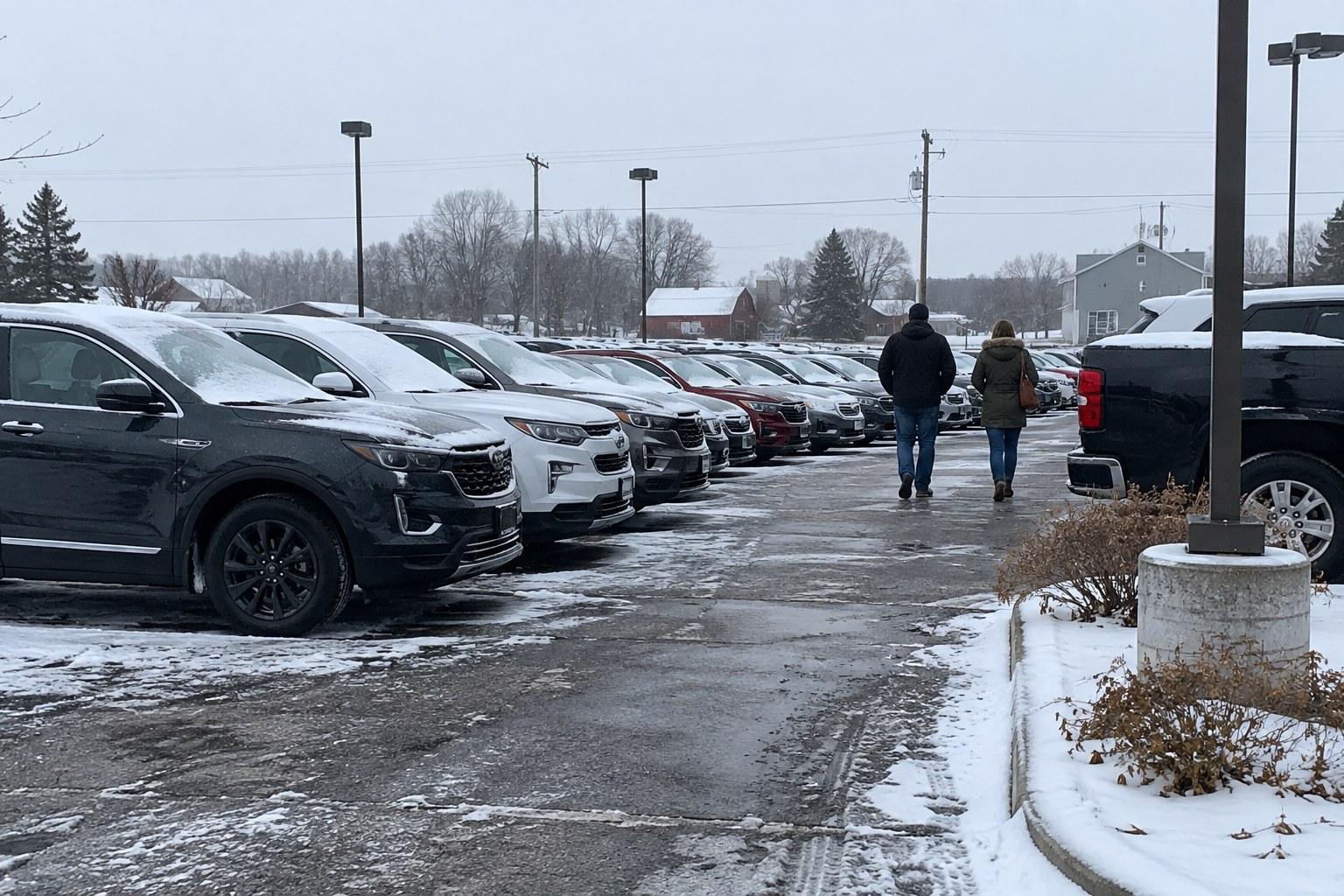
If you are signing papers on a new car or a lease before the year wraps up, gap insurance is one of the add-ons you will almost certainly hear about. It is meant to cover the difference between what your car is worth and what you still owe if the car is totaled or stolen. That sounds simple, but the details matter. As a family owned agency on Route 12 in Fox Lake, we talk with a lot of local drivers who bought a car in December and were not quite sure what they agreed to at the finance desk. Here is a plain look at how it works.
Shopping for a car right now? Call us before you sign and we can talk through your coverage.
Key Takeaways
- Gap coverage is designed to pay the difference between your car's actual cash value and your remaining loan or lease balance after a total loss or theft.
- It generally does not pay for late fees, missed payments, extended warranties or other add-ons rolled into your loan, and some versions leave your deductible to you.
- Drivers with small down payments, long loan terms, rolled-over negative equity or fast-depreciating vehicles tend to get the most value from it.
- Many leases already include gap protection, so it is worth reading your lease contract before buying a second layer.
- Coverage terms, eligibility and pricing vary by carrier, lender and policy, so review your own contract and declarations page before you rely on it.
Why Year-End Car Shopping Makes Gap Coverage Worth a Look
December is a busy month at the dealerships along Route 12, Grand Avenue and out toward Gurnee and Libertyville. Year-end sales, model year closeouts and holiday incentives bring a lot of Lake County and McHenry County drivers onto car lots at the same time.
Those deals often come with low or zero down payment offers and longer loan terms. Both can make a monthly payment look friendly. Both can also leave you owing more than the car is worth for a good stretch of time.
How Depreciation Creates the Gap
A new car starts losing value the moment you drive it home. Your loan balance, on the other hand, goes down slowly, especially in the early months when more of each payment goes toward interest.
For a while, the value line and the loan line can sit far apart. If the car is totaled during that window, your auto policy pays based on the car's value, not on your loan. The lender still expects to be paid in full. That difference is the gap.
A Simple Example
Say you buy a vehicle in Fox Lake with very little down and roll some fees into the loan. Eight months later, a crash on Route 59 near Ingleside totals it. Your insurer determines the car's actual cash value is $24,000. Your loan payoff is $28,500. Your collision deductible is $500.
Without gap coverage, you could be on the hook for the $4,500 difference plus your deductible, and you would still need another car. With gap coverage, much or all of that $4,500 may be handled, depending on the terms. These numbers are only an illustration, and your own figures will be different.
Why Timing Around the Holidays Matters
Winter driving in northern Illinois brings icy mornings on Grand Avenue, slush on Route 12 and deer near the Chain O' Lakes. A brand new car faces the same weather risks as an old one. The difference is that a new financed car is often worth less than what you owe on it during that first winter.
What Gap Insurance Covers
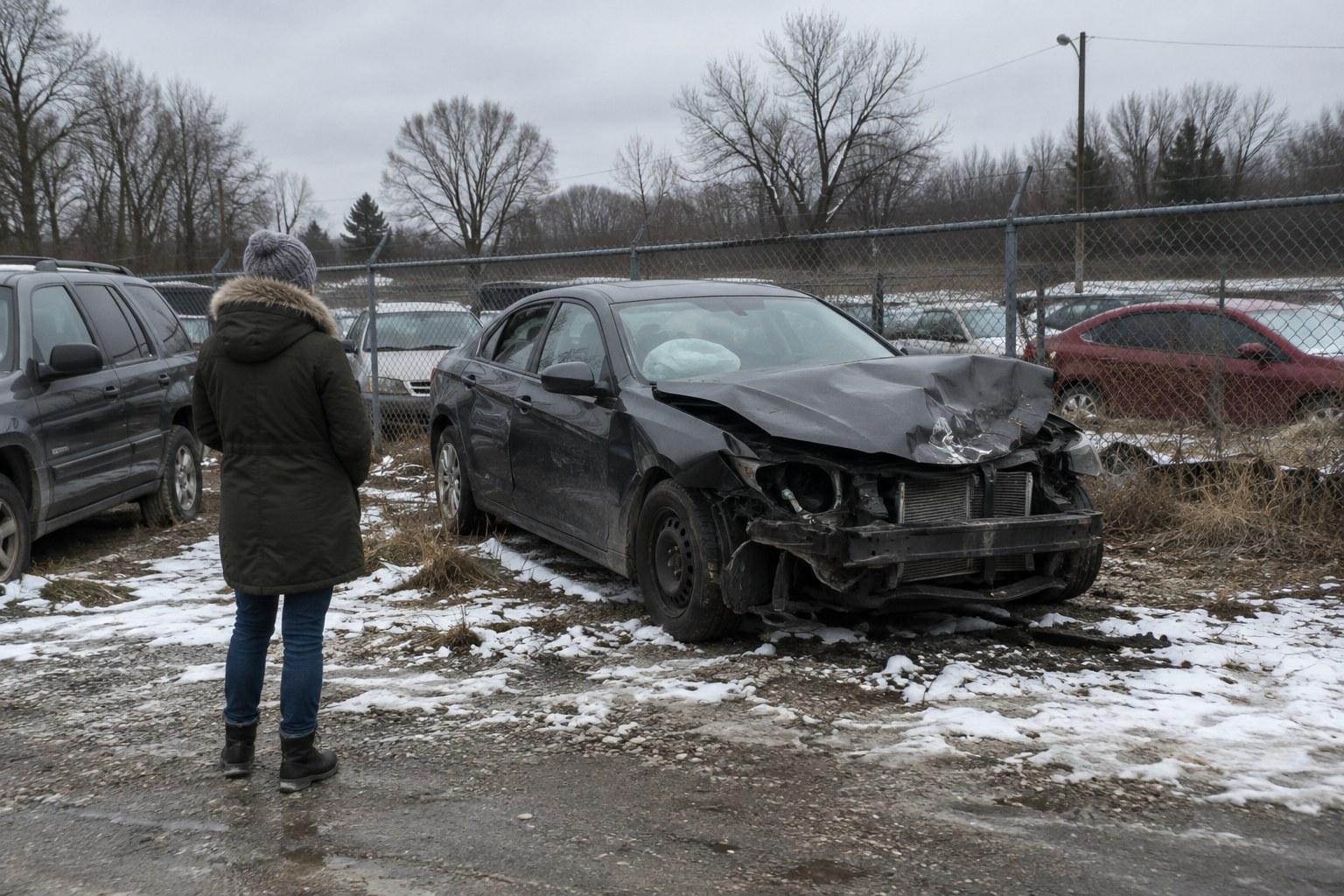
At its core, gap protection is narrow. It responds to one situation: your vehicle is declared a total loss or is stolen and not recovered, and the primary auto claim does not fully pay off your loan or lease.
The Difference Between ACV and What You Owe
Your comprehensive or collision coverage typically pays the actual cash value of the car at the time of the loss. That is roughly what the car was worth on the market just before it was totaled, considering mileage, condition and age. If you want a deeper explanation of how that number is reached, we wrote about how actual cash value and replacement cost payouts differ.
The Consumer Financial Protection Bureau describes GAP as coverage meant to address the loss you would face when your loan balance is higher than what your auto insurer pays. You can read the CFPB explanation of GAP coverage for a neutral overview.
Total Loss From a Crash
If a collision damages your car so badly that repair costs exceed what the insurer considers reasonable, the car may be declared a total loss. Collision coverage pays the actual cash value, minus your deductible, and gap coverage can step in for the remaining loan balance, subject to its limits.
Total Loss From Theft, Weather or Animals
Theft, hail, flooding, fire and deer strikes usually fall under comprehensive coverage. If your car is stolen from a lot in Round Lake Beach and never found, or a flood near the Fox River ruins it, the same gap logic applies. Comprehensive pays the car's value, and gap may cover what is still owed.
The Deductible, Sometimes
Some gap products include your primary policy deductible in what they pay. Others do not. The Federal Reserve's consumer leasing guide gives an example where the driver with gap coverage still has to pay the $500 insurance deductible. Read your specific contract to see which version you have.
What Gap Coverage Usually Does Not Cover
This is where many drivers get surprised. Gap coverage is not a blank check to wipe out everything tied to your loan.
Late Fees, Missed Payments and Interest
The Washington State Office of the Insurance Commissioner notes that gap coverage does not cover interest the lender charges you, late fees or missed loan payments. If you were behind on payments at the time of the loss, those past-due amounts usually stay with you. Some contracts also require that you not be in default when the loss happens.
Extended Warranties and Other Add-Ons
Service contracts, extended warranties, tire and wheel packages and similar products are often rolled into a car loan at the dealership. Gap coverage generally does not pay off those amounts. In some cases, you may be able to cancel those add-on products after a total loss and request a prorated refund, depending on the contract.
Negative Equity Limits
If you traded in a car you still owed money on, that leftover balance may have been rolled into your new loan. Many gap products cap what they will pay, often as a percentage of the vehicle's value or with exclusions for prior negative equity. If you rolled over a large balance, the gap product may not cover all of it.
Repairs, Rentals and a Down Payment on Your Next Car
Gap coverage is not repair coverage. It does not pay for a rental car while you shop for a replacement, and it does not give you money toward a new down payment. The Federal Reserve guide also notes that gap coverage does not refund your original down payment or sales tax unless it was part of the amount financed.
| Situation | Gap Coverage Typically | Notes |
|---|---|---|
| Loan balance above ACV after total loss | May cover | Subject to contract limits |
| Vehicle stolen and not recovered | May cover | Comprehensive must be in place |
| Primary policy deductible | Sometimes | Depends on the specific product |
| Late fees and missed payments | Usually not | Past-due amounts stay with you |
| Extended warranties rolled into the loan | Usually not | Ask about prorated refunds |
| Large negative equity from a trade-in | Often limited | Many products cap the payout |
| Repairs on a car that is not totaled | No | Handled by collision or comprehensive |
Treat this table as a general guide and check your own paperwork.
Have a gap contract from the dealer and not sure what it says? Bring it by the office and we can look at it with you.
Who Benefits Most From Gap Insurance
Gap protection is not for every driver. It tends to make the most sense when the distance between your car's value and your loan is wide, or likely to stay wide for a while.
Small or No Down Payment
If you put less than about 20 percent down, you may start out owing close to or more than the car's value. That is the classic situation where gap protection matters. A larger down payment shrinks the gap from day one.
Long Loan Terms
Loans stretched to 72 or 84 months keep the monthly payment lower, but the balance falls slowly. That can leave you upside down on the loan for years rather than months.
Vehicles That Lose Value Quickly
Some models depreciate faster than others. If you are buying a vehicle known for steep early depreciation, or putting a lot of miles on it commuting from Fox Lake to Waukegan, Lake Forest or Chicago on the Metra line side of things, the value can drop faster than your loan.
Rolled-Over Negative Equity
If you carried a balance from your old car into the new loan, you start the new loan already behind. Even with the limits mentioned above, gap coverage can still reduce what you would owe after a total loss.
Leases and Gap Protection
Leasing is a special case. The Federal Reserve's leasing guide notes that many lease agreements include gap coverage as a standard feature, while others offer it for an extra charge. Before you buy a separate gap product on a lease, look for a section in the lease contract that mentions gap, waiver or early termination after a total loss.
Gap Coverage Requires Comprehensive and Collision
Gap coverage is built on top of your physical damage coverage, not in place of it. If you do not carry comprehensive and collision on the vehicle, there is no primary payout for gap to fill in behind.
Why Lenders Require Physical Damage Coverage
Illinois law requires liability coverage and uninsured motorist coverage, but comprehensive and collision are optional under state law. Lenders and leasing companies usually make them a condition of the loan or lease, since the car is their collateral. If you want a refresher on how the two coverages differ, read our post on comprehensive vs collision coverage for Fox Lake drivers.
How Your Deductible Fits In
The deductible you choose on comprehensive and collision affects what you pay out of pocket after a total loss, especially if your gap product does not pick up the deductible. Our post on choosing the right insurance deductible walks through the tradeoffs.
Keeping Coverage Active
Gap protection generally only works if your primary auto policy was in force at the time of the loss. A lapse in coverage, even a short one, could leave you without either payout.
You can learn more about the coverage options we offer on our auto insurance page.
Buying Gap From a Dealer, an Insurer or a Lender
You usually have more than one place to get gap protection. The right choice depends on your loan, your budget and how long you plan to keep it.
Through the Dealership
Dealers often offer a gap waiver or gap contract at the finance desk. It is convenient, and it is often rolled into the loan. The CFPB points out that financing a GAP product into your loan adds to the total amount borrowed, which means you may pay interest on it too. Dealer pricing can vary widely, and it is often negotiable.
Through Your Auto Insurer
Some auto insurers offer loan or lease gap coverage as an endorsement on your auto policy. When it is available, the cost may be added to your regular premium rather than financed. Availability, eligibility rules and pricing vary by carrier and policy, and some carriers only offer it on newer vehicles or to the original owner.
Through Your Bank or Credit Union
Banks and credit unions around Lake County and Kenosha County sometimes offer their own GAP product when they finance the car. The CFPB notes that dealers and some direct lenders offer GAP, and it encourages buyers to compare prices and coverage before buying.
Questions to Ask Before You Sign
- What is the maximum the product will pay, and is there a percentage cap on vehicle value?
- Does it cover my primary policy deductible?
- How does it treat negative equity from my trade-in?
- Is the cost financed into my loan or paid separately?
- Can I cancel it later, and is there a prorated refund?
When to Drop Gap Coverage

Gap coverage is meant to be temporary. Once the gap closes, you may be paying for protection you no longer need.
Check Your Loan Balance Against the Car's Value
A couple of times a year, compare your loan payoff with a realistic estimate of what your car is worth. Pricing guides and recent sale listings for similar vehicles in northern Illinois can give you a rough idea. When the value is comfortably above the balance, the gap has likely closed.
Canceling a Gap Endorsement or Contract
If your gap protection is on your auto policy, removing it is usually a simple call to your agent. If you bought it through a dealer or lender, you may need to send a written cancellation request. Some contracts offer a partial refund of unused premium, depending on the terms and state rules.
Paying Off or Refinancing the Loan
If you pay off the loan or refinance with a new lender, the original gap product may end or stop applying. Check whether you still need gap coverage on the new loan before assuming you are covered.
What to Do After a Total Loss
If your car is totaled, report the claim to your auto insurer first, then contact your gap provider with the settlement paperwork. Keep copies of your loan statement, the insurer's valuation and any payment records. Our post on how to file an insurance claim covers the basic steps.
Want to know whether gap protection still makes sense for your loan? Give us a call and we can look at it together.
Frequently Asked Questions
Is gap insurance required in Illinois?
Illinois law does not require gap coverage. It requires liability and uninsured motorist coverage on registered vehicles. Some lenders or leasing companies may require gap protection as a condition of the loan or lease, though, so read your financing paperwork. If you are unsure whether your contract requires it, your lender or a local agent can help you find the answer.
Does gap coverage pay my deductible?
It depends on the product. Some gap contracts include the primary policy deductible in what they pay, while others leave it to you. The Federal Reserve's leasing guide gives an example where the driver still pays a $500 deductible even with gap coverage. Check your gap contract or policy endorsement to see which version you have before a loss happens.
Do I need separate gap coverage on a lease?
Maybe not. Many lease agreements already include gap protection as a standard feature, while others charge extra for it. Look in your lease for language about gap, a waiver or early termination after a total loss or theft. If it is already included, buying a separate product may mean paying twice for similar coverage, so compare carefully first.
Can I add gap coverage after I buy the car?
Sometimes. Some insurers allow you to add loan or lease gap coverage within a certain time after purchase or only while the vehicle is fairly new and you are the original owner. Rules vary by carrier and policy. If you skipped it at the dealership, it is worth asking soon rather than waiting several months or more.
Will gap coverage pay off my whole loan?
Not always. Gap coverage is designed to pay the difference between your car's actual cash value and your loan balance, but many products have caps. Late fees, missed payments, extended warranties and some rolled-over negative equity are often excluded. Depending on your loan, you could still owe something after the insurer and the gap provider have paid.
How do I know when to cancel gap coverage?
A good rule of thumb is to compare your loan payoff with your car's current market value. When the car is worth noticeably more than you owe, the gap has likely closed. At that point, you may be able to cancel the endorsement or contract. Some dealer and lender products may offer a prorated refund, depending on the terms.
Gap insurance can be a smart fit when you finance or lease a car with little down, a long term or rolled-over debt, but it only works alongside comprehensive and collision coverage and every contract has limits. If you are buying a car this season and want a second set of eyes on your coverage, call Jablonski Insurance at (847) 587-3200 or stop by our office at 37 South St 12 Ste 2, Fox Lake, IL 60020.
Ready to Get Started with Jablonski Insurance?
Whether you just drove off the lot or are still comparing offers, we are happy to talk through your auto coverage in English, Spanish or Romanian. Call (847) 587-3200 today. You can also visit Jablonski Insurance at 37 South St 12 Ste 2, Fox Lake, IL 60020.