
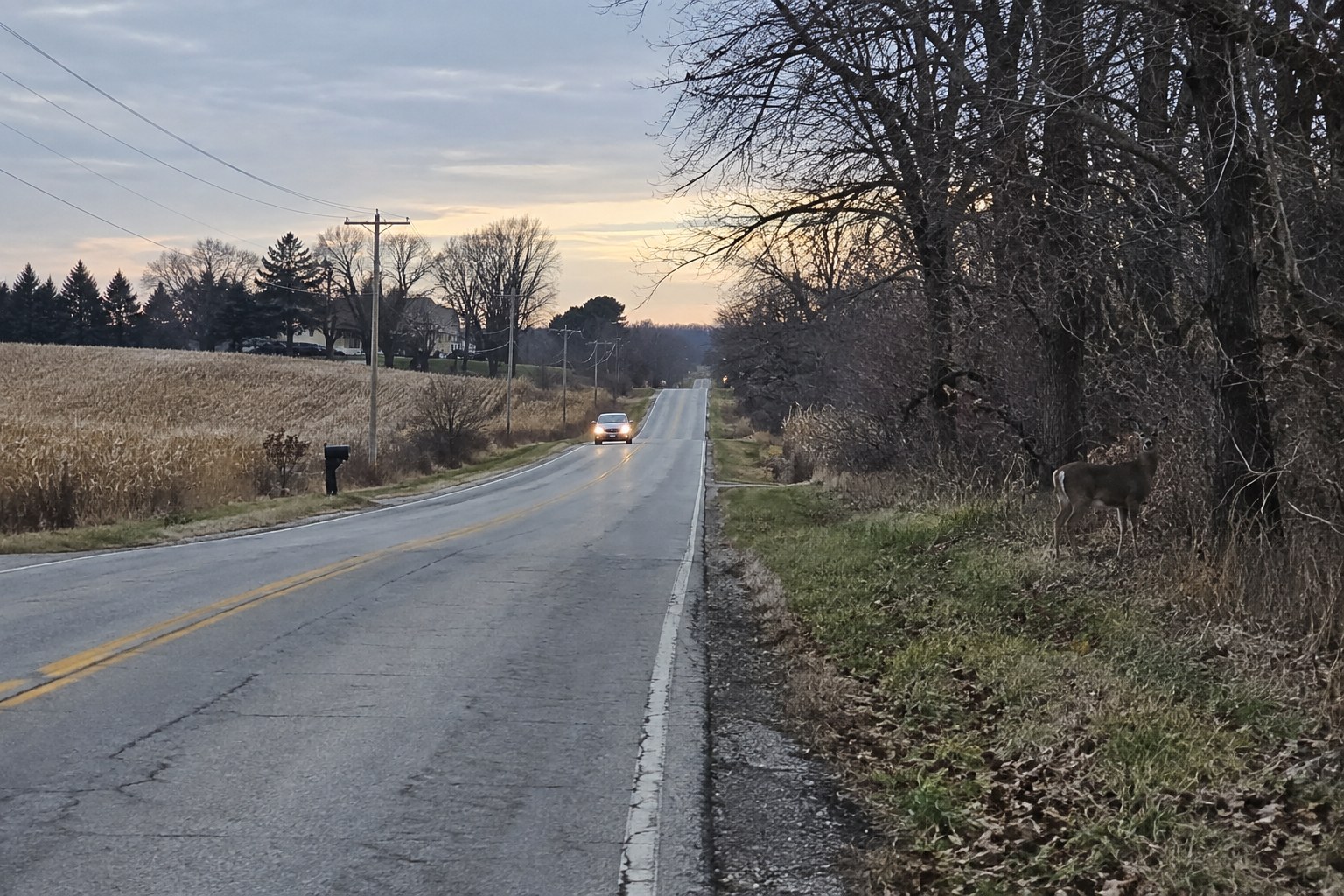
Knowing the difference between comprehensive vs collision coverage matters most in the fall, when deer start crossing Route 12 and the back roads around the Chain O' Lakes at dusk. One moment you are heading home from work in Antioch, and the next a doe steps out of the tree line. Which part of your policy responds depends on what you actually hit, or whether you hit anything at all. As a family owned agency on Route 12 in Fox Lake, we help local drivers read their policies before a claim, not after. A few minutes now can save you a lot of confusion later.
Not sure what your policy says about deer? Give us a call and we will walk through it with you.
Key Takeaways
- Hitting a deer is usually handled under comprehensive coverage, not collision, on most standard auto policies.
- Swerving to miss a deer and striking a tree, guardrail, ditch or another car is generally treated as a collision claim instead.
- Both coverages are optional under Illinois law, but a lender or leasing company will often require them on a financed vehicle.
- Each coverage usually carries its own deductible, and the amounts you choose affect what you pay out of pocket after a loss.
- Coverage, deductibles and claim handling vary by carrier and policy, so review your own declarations page or talk with an agent before deer season.
Why Deer Season Puts Fox Lake Drivers at Higher Risk
If you live in northern Lake County or eastern McHenry County, you already know the deer are everywhere. They move between the forest preserves, the farm fields west of Fox Lake and the wooded shoreline around the lakes. In the fall, that movement picks up.
What the Illinois Numbers Show
According to the Illinois Department of Transportation's 2024 Crash Facts report, there were 14,426 crashes involving deer in Illinois that year, and about 61.8% of them happened in darkness. IDOT's seasonal safety release also reported that about 42% of the state's deer crashes happened in October, November and December, with November as the highest-risk month.
That lines up with the deer breeding season, when bucks travel farther and pay less attention to traffic. It also lines up with shorter days. By November, many commuters are driving home in the dark.
Where Local Drivers Tend to See Deer
You do not have to be out in the country to meet a deer. Drivers see them along Route 12 between Fox Lake and Richmond, on Grand Avenue heading toward Lake Villa, on Route 59 and Route 173 near Antioch, and on the winding roads around Spring Grove and Johnsburg. The stretches near forest preserves and marsh edges are the usual spots.
The Illinois Department of Transportation offers practical tips for avoiding deer, and its main message is simple: do not veer for deer. That advice also connects directly to how your claim may be handled, which we will get into below.
Comprehensive vs Collision Coverage Explained
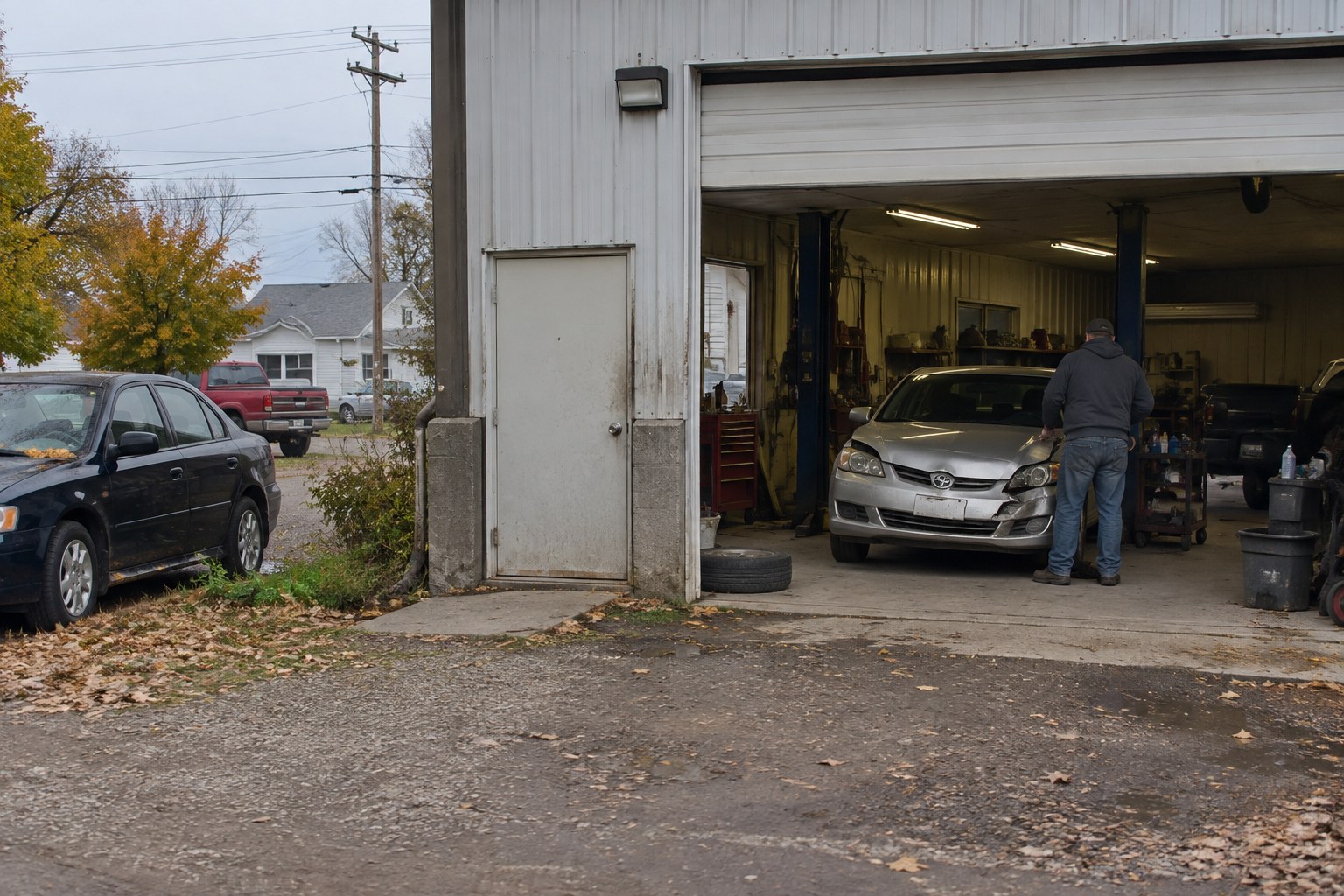
Both of these coverages pay to repair or replace your own vehicle. The difference is the type of event that caused the damage. Your liability coverage, which Illinois requires, pays for damage you cause to other people. It does not fix your car.
What Comprehensive Coverage Usually Covers
Comprehensive is sometimes called "other than collision" coverage. On most policies, it handles damage from events you cannot really control while driving, such as:
- Hitting a deer or other animal
- Theft or vandalism
- Hail, windstorms and falling tree limbs
- Fire
- Flood damage to the vehicle
- A cracked windshield from a flying rock
What Collision Coverage Usually Covers
Collision generally pays for damage to your vehicle when it hits another vehicle or an object, or when it rolls over. That includes crashing into a guardrail, a mailbox, a tree, a light pole or a ditch. It typically applies regardless of who is at fault, although if another driver caused the crash, their liability coverage may end up paying instead.
A Side-by-Side Look
| Situation | Coverage That Usually Applies | Notes |
|---|---|---|
| You hit a deer on Route 12 | Comprehensive | Animal strikes are generally treated as comprehensive losses |
| You swerve to miss a deer and hit a tree | Collision | The damage came from striking an object, not the animal |
| You swerve and slide into a ditch | Collision | Rolling over or leaving the road is usually a collision event |
| You swerve and hit another car | Collision, plus liability for the other car | This may also be treated as an at-fault accident |
| A deer runs into the side of your parked car | Comprehensive | Still an animal strike, even with the car parked |
| A deer you hit causes someone behind you to rear-end you | Depends on the facts | The other driver's liability may apply to the rear damage |
These are general patterns, not guarantees. How a claim is classified depends on your carrier, your policy language and the details of the loss.
Why Swerving Can Change Your Claim
This is the part that surprises a lot of drivers. Your instinct when a deer jumps out is to yank the wheel. But from an insurance standpoint, and a safety standpoint, that can make things worse.
The Claim Category Can Shift
If you hit the deer, the damage is typically a comprehensive claim. If you miss the deer and hit a tree, a guardrail or a parked car instead, the damage is typically a collision claim. That matters because the two coverages may have different deductibles, and some carriers may view a collision claim differently than an animal strike when it comes to future pricing.
Whether a claim affects your premium varies by carrier and policy. Many carriers treat comprehensive claims as not-at-fault, but that is not universal, so it is worth asking.
The Safety Side Matters More
Swerving can put you into oncoming traffic on a two-lane road or send you off the shoulder into a ditch or utility pole. The general safety advice from IDOT and other highway safety groups is to brake firmly, hold the wheel steady and stay in your lane. A dented hood is easier to deal with than a rollover.
If you have only liability coverage and no collision, swerving into a tree may leave you paying for your own repairs. If you have only liability and no comprehensive, the same is true if you hit the deer directly.
Questions about your deductibles or whether you have both coverages? A quick call can clear it up.
What Illinois Requires and What Your Lender May Require
Illinois requires drivers to carry liability insurance and uninsured motorist coverage. Comprehensive and collision are not required by state law. That said, plenty of Fox Lake drivers carry them anyway, and many have no real choice.
Financed and Leased Vehicles
If you have a car loan or lease, your lender or leasing company will usually require both comprehensive and collision until the vehicle is paid off. They may also set a maximum deductible. If you drop either coverage while you still owe money, the lender may add its own coverage to your loan, which is often more expensive and protects only their interest.
Paid-Off and Older Vehicles
Once your vehicle is paid off, the decision is yours. Some drivers with older cars drop collision but keep comprehensive, since comprehensive is often less expensive and still protects against deer, hail and theft. Others keep both. The right answer depends on what your car is worth, what you could afford to replace, and how much risk you are comfortable taking on.
If you want a deeper look at what drives your premium, our post on how car insurance rates are determined for Fox Lake drivers covers the main factors.
Choosing Deductibles and Coverage Before Fall
A deductible is the amount you pay toward a covered claim before your insurance pays the rest. Comprehensive and collision usually have separate deductibles, and you can often set them at different amounts.
Thinking Through Your Comprehensive Deductible
Deer damage can be expensive. Modern vehicles have sensors, cameras and headlight assemblies packed into the front end, and a hit that looks minor can turn into a big repair bill. If you drive a lot of rural or wooded roads around Fox Lake, Spring Grove or Wauconda, a lower comprehensive deductible may be worth considering. A lower deductible generally means a higher premium, so it is a trade-off.
Thinking Through Your Collision Deductible
Your collision deductible is the one that applies if you swerve and hit something, or if you slide off an icy road later in the winter. Pick an amount you could pay tomorrow without stress. Setting it too high to save on premium can backfire if you end up filing a claim.
Other Coverages Worth a Look
- Rental reimbursement: Body shops can get backed up in deer season. This optional coverage may help pay for a rental while your car is being fixed.
- Roadside assistance or towing: Helpful if a deer strike leaves you stuck on a dark county road.
- Gap coverage: If your car is totaled and you owe more than it is worth, gap coverage may cover the difference, depending on the policy.
Availability and terms of these add-ons vary by carrier and policy. You can learn more about the options we offer on our auto insurance page.
What to Do If You Hit a Deer Near Fox Lake
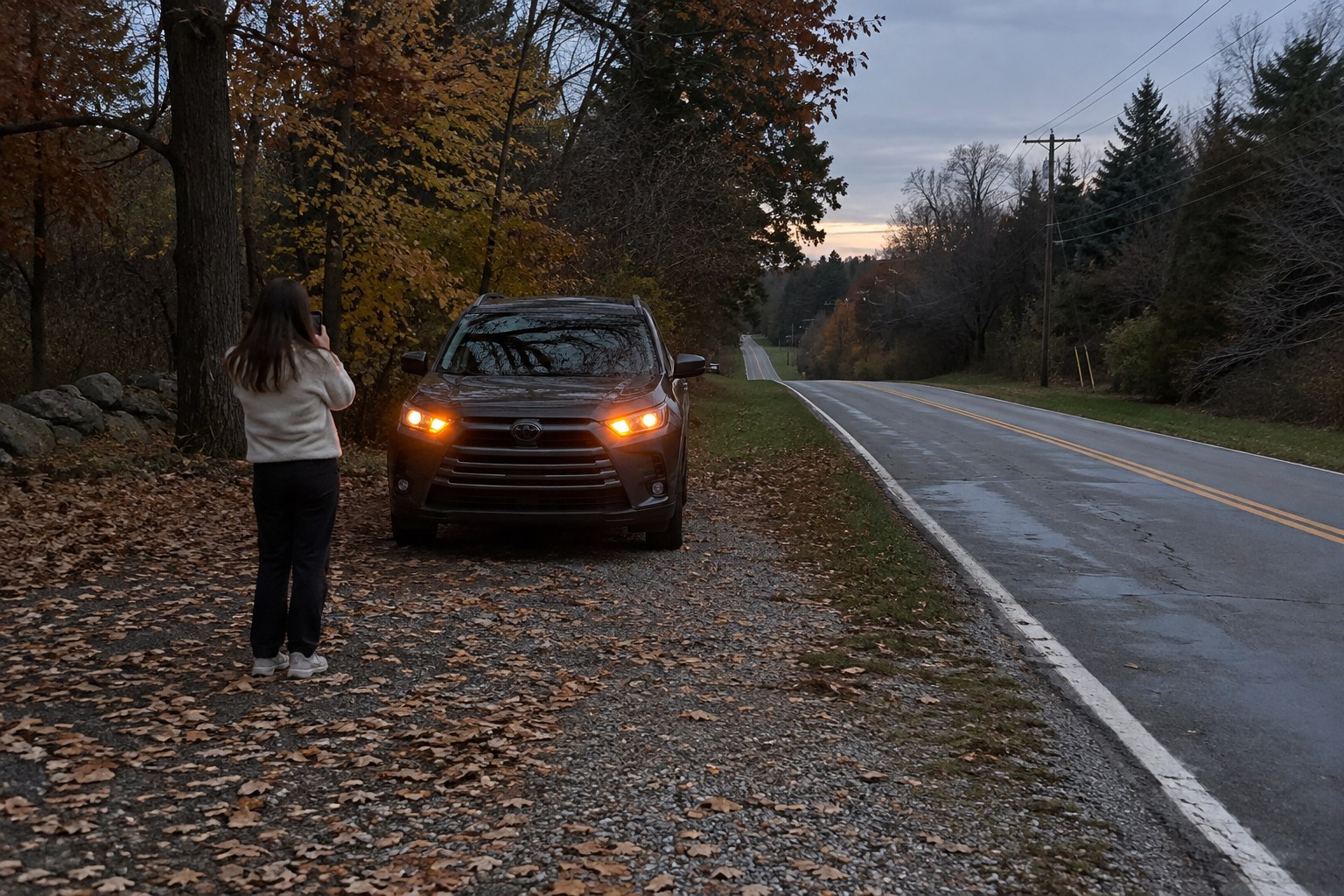
Even careful drivers hit deer. Here is a practical sequence to follow if it happens to you.
At the Scene
- Pull over somewhere safe if you can, and turn on your hazard lights.
- Check yourself and your passengers for injuries. Call 911 if anyone is hurt or if the vehicle is blocking traffic.
- Stay away from the deer. An injured animal can kick and cause serious harm.
- Take photos of the vehicle damage, the road, and the deer if it is safe to do so.
- Contact local police or the county sheriff. Illinois has crash reporting rules, and a police report can help support your claim.
After You Get Home
Report the claim to your carrier or your agent as soon as you can. Write down the time, location and what happened while it is fresh. Avoid driving the car if headlights, the radiator or warning lights are affected. Our team offers 24/7 claims support, and we can help you understand how your coverage may apply.
Deer are not only a driving issue, either. If you ride, our post on snowmobile vs ATV insurance for Fox Lake riders touches on similar coverage questions for off-road vehicles, and our motorcycle insurance page covers riders who share these same roads.
Want to check your coverage before November? We are happy to look it over.
Frequently Asked Questions
Does car insurance cover hitting a deer in Illinois?
It usually does if you carry comprehensive coverage. Most standard auto policies treat an animal strike as a comprehensive loss, subject to your comprehensive deductible. If you carry only the liability coverage Illinois requires, damage to your own vehicle from a deer generally would not be covered. Check your declarations page to confirm.
Will hitting a deer raise my insurance rates?
It depends on your carrier and policy. Many carriers treat a deer strike as a not-at-fault comprehensive claim, which may have less impact than an at-fault collision. However, rating rules differ, and a history of several claims could still affect pricing at renewal. Ask your agent how your carrier handles it.
What if I swerved and never touched the deer?
If you missed the deer but hit a tree, guardrail, ditch or another car, the damage to your vehicle is usually handled under collision coverage. That means your collision deductible would typically apply. If you struck another vehicle, your liability coverage may also be involved for their damage.
Is comprehensive coverage required in Illinois?
No. Illinois law requires liability and uninsured motorist coverage, but comprehensive and collision are optional. A lender or leasing company will often require both on a financed or leased vehicle, sometimes with a maximum deductible. Once your car is paid off, keeping or dropping them is your decision.
Should I keep comprehensive on an older car?
Many drivers do, because comprehensive tends to cost less than collision and still protects against deer, hail, theft and falling limbs. Compare the yearly cost of the coverage with what the car is worth and what you could afford to replace. An agent can help you run the numbers for your situation.
Do I need a police report after hitting a deer?
A police report is not always required for an insurance claim, but it can help document what happened. Illinois has crash reporting requirements based on injuries and damage amounts, and a deer strike can easily exceed repair thresholds. Calling local police or the sheriff from the scene is usually a good idea.
Deer season is a predictable part of life in Lake County, and understanding comprehensive vs collision coverage now helps you know what to expect if a deer crosses your path. If you are not sure how your policy is set up, call us at (847) 587-3200 or stop by our office at 37 South St 12 Ste 2, Fox Lake, IL 60020. We work with drivers across Fox Lake, Antioch, Grayslake, McHenry and Round Lake Beach.
Ready to Get Started with Jablonski Insurance?
Our family owned agency works with multiple carriers to help you compare coverage and deductibles that fit how you drive. Reach us at (847) 587-3200 and we can review your auto policy before deer season peaks.