

If you rent an apartment off Grand Avenue or a lake cottage near the Chain O' Lakes, you have probably wondered what renters insurance covers and whether you really need it. The short answer is that a renters policy is built to protect your stuff, your liability and your ability to live somewhere else after a covered loss. Your landlord's policy usually protects the building, not you. As a family owned agency on Route 12 in Fox Lake, we talk with renters from Antioch, Round Lake Beach and Grayslake every week, and the same questions keep coming up. Here are the plain answers.
Want to know what your policy includes? Give us a call.
Key Takeaways
- A typical renters policy combines personal property coverage, personal liability, loss of use and medical payments to others in one package.
- Your landlord's insurance generally covers the building and the landlord's liability, not your belongings or your personal liability.
- Flood and earthquake damage are generally excluded from standard renters policies and usually need separate coverage.
- Replacement cost coverage and actual cash value coverage can lead to very different claim payouts for the same lost item.
- Coverage, limits, exclusions and pricing vary by carrier and policy, so review your own policy documents or talk with a licensed agent.
What Does Renters Insurance Cover in a Typical Policy
Most renters policies are built from the same core pieces. Think of the policy as four or five separate promises bundled together.
According to the National Association of Insurance Commissioners (NAIC), a renters policy typically includes coverage for your personal property, personal liability and additional living expenses when you cannot live in your home after a covered loss. The Insurance Information Institute adds that many renters policies also include no-fault medical payments coverage for guests who are hurt in your home.
Personal Property Coverage
This is the part most people picture when they think about renters insurance. It is meant to help pay to repair or replace your belongings when they are damaged or destroyed by a covered peril. That can include furniture, clothing, electronics, kitchen gear, bikes, tools and the fishing equipment piled up in the hall closet.
Personal property coverage has a limit, which is the most the policy will pay for your belongings. If you pick a limit that is too low, you may not be able to replace everything after a major loss like a fire.
Named Perils Versus Broader Coverage
Many renters policies cover personal property on a named perils basis. That means the policy lists the specific causes of loss it covers. Common named perils often include fire or lightning, windstorm or hail, explosion, smoke, vandalism, theft, damage from vehicles, the weight of ice and snow, and certain sudden water discharges from plumbing or heating systems.
If a cause of loss is not on the list, it usually is not covered. Some carriers offer broader options, so it is worth asking what your policy form actually says.
Actual Cash Value Versus Replacement Cost
This is one of the biggest choices on a renters policy, and it is easy to miss. Actual cash value coverage generally pays what an item was worth at the time of the loss, which means depreciation is taken out. A five-year-old couch might not be worth much on paper, even if a new one costs a lot.
Replacement cost coverage generally pays what it costs to replace the item with a similar new one, though some carriers pay the depreciated amount first and the rest after you actually replace the item. We go deeper on this topic in our post on how actual cash value and replacement cost affect a claim payout.
| Situation | Actual Cash Value | Replacement Cost |
|---|---|---|
| Older laptop stolen from your apartment | Generally pays depreciated value, minus deductible | Generally pays toward a comparable new laptop, minus deductible |
| Living room furniture ruined in a covered fire | Payout reflects age and wear of the furniture | Payout aims to cover similar new furniture, often after replacement |
| Premium cost | Often lower, but varies by carrier and policy | Often somewhat higher, but varies by carrier and policy |
| Best fit | Renters with few items or a tight budget | Renters who would struggle to replace belongings at today's prices |
Liability, Loss of Use and Medical Payments
Your belongings are only part of the picture. The liability side of a renters policy can matter even more, because a single lawsuit can cost far more than everything you own.
Personal Liability Coverage
Personal liability coverage is designed to help if you are legally responsible for injuring someone or damaging their property. Picture a guest slipping on your icy apartment steps after a January storm, or a pot left on the stove that starts a fire that damages the unit next door. Liability coverage may help pay for legal defense and damages up to your policy limit, depending on the facts and your policy terms.
Some state insurance departments note that liability coverage on a renters policy can also apply to certain incidents away from home, such as your dog biting someone at a park. Pet liability rules vary a lot by carrier, so if you have a dog, ask about any breed rules or exclusions before you assume you are covered.
Loss of Use or Additional Living Expenses
If a covered loss makes your apartment unlivable, loss of use coverage (often called additional living expenses or ALE) may help pay the extra costs of living somewhere else for a while. That might include a hotel near Route 12, higher restaurant bills or extra mileage to work.
The NAIC points out that ALE generally pays the costs above your normal living expenses, not your entire budget. So if you normally pay rent and that rent stops while the unit is being repaired, the policy is generally looking at the difference. Limits and time frames vary by carrier and policy.
Medical Payments to Others
Medical payments to others is a smaller, no-fault coverage. It may help pay minor medical bills if a guest is hurt in your rental, regardless of who was at fault. The idea is to handle small injuries quickly, without anyone needing to prove negligence or file a lawsuit.
Off-Premises Theft and Belongings Away From Home
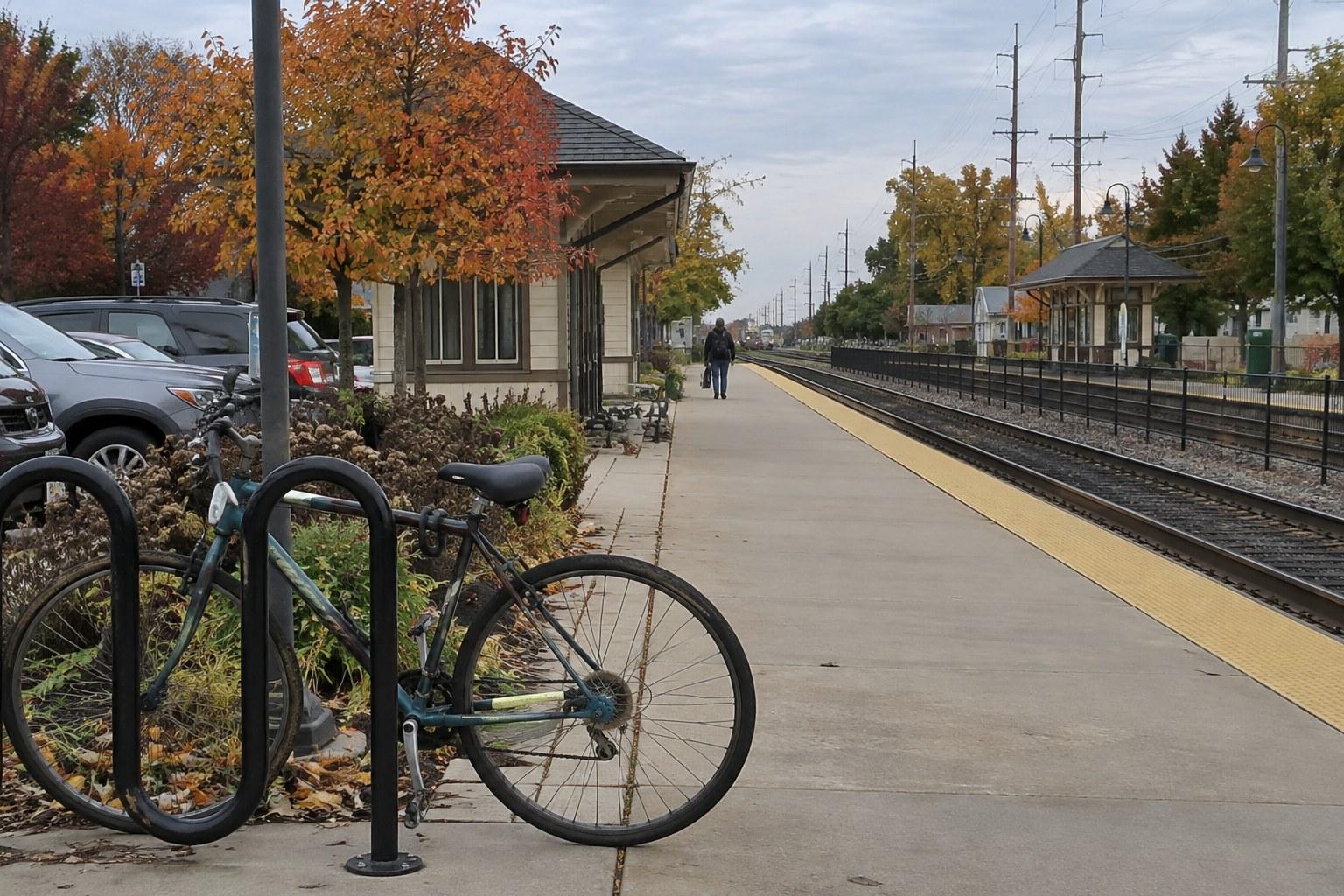
A lot of renters are surprised to learn that personal property coverage often follows them. Many policies cover your belongings against covered perils even when they are not inside your apartment.
Common Off-Premises Situations
Think about a bike stolen from a rack near the Metra station, a laptop taken from your car while you grab dinner in Antioch, or luggage stolen during a trip. Depending on your policy, off-premises coverage may help in situations like these. Some carriers limit off-premises coverage to a percentage of your personal property limit, so check how your policy handles it.
If you want to see how your car coverage fits in, our auto insurance page has more detail.
Not sure whether your bike, tools or stored gear would be covered? A short conversation can clear that up.
What Renters Insurance Typically Excludes
Knowing what is not covered is just as important as knowing what is. Every policy has an exclusions section, and that section can quietly change how a claim plays out.
Flood and Earthquake Damage
The NAIC notes that flood and earthquake are generally not covered by standard homeowners or renters policies. That matters around Fox Lake, where you are surrounded by the Chain O' Lakes and the Fox River. Rising water from heavy rain or spring thaw is usually treated as flood, which is different from water that suddenly bursts out of a pipe.
Renters can often buy contents-only flood coverage through the National Flood Insurance Program or other options. If you live in a ground-floor unit or a cottage close to the water, our flood insurance options are worth a look.
Your Roommate's Belongings
A renters policy generally covers the named insured and household members as defined in the policy. An unrelated roommate is usually not covered under your policy just because you share an apartment. If your roommate's TV is ruined in a fire, your policy probably will not pay for it.
The cleanest approach is usually for each roommate to carry their own policy. Some carriers allow roommates to be added, but that can make claims and liability more complicated, so ask before you go that route.
The Landlord's Building
Renters insurance generally does not pay to repair the walls, roof, floors or built-in appliances that belong to your landlord. Those items are usually the landlord's responsibility under their own policy. There is one exception worth knowing about: if you damage the building through your own negligence, your liability coverage may respond, depending on the policy.
High-Value Item Sublimits
Many renters policies have special limits for certain categories of property, like jewelry, watches, firearms, collectibles, cash and some electronics. These sublimits can be much lower than your overall personal property limit, especially for theft.
If you own an engagement ring, a camera kit, a gun collection or expensive musical instruments, you may want to ask about scheduling those items separately. Scheduled coverage can work differently from the main policy, and availability varies by carrier.
Your Landlord's Policy Versus Your Renters Policy
One of the most common misunderstandings we hear is that a landlord's insurance will take care of everything. It usually does not. The two policies are built for different people and different risks.
What a Landlord's Policy Usually Covers
A landlord policy is generally built to protect the owner's building and the owner's liability. If a storm tears off part of the roof, the landlord's policy may help pay to fix the roof. If the landlord is found responsible for a tenant's injury because of a broken stair they failed to repair, the landlord's liability coverage may respond.
If you own a rental property yourself, our landlord and host insurance page explains that side of the equation.
What Your Renters Policy Usually Covers
Your renters policy is about you. It is meant to protect your belongings, your liability and your extra living costs after a covered loss.
| Item or Situation | Landlord's Policy | Your Renters Policy |
|---|---|---|
| Building structure, roof and walls | Generally covered | Generally not covered |
| Your furniture, clothes and electronics | Generally not covered | Generally covered for named perils |
| Guest injured in your unit due to your actions | Generally not covered | Liability or medical payments may respond |
| Hotel costs while your unit is repaired | Generally not covered | Loss of use may respond |
When Your Lease Requires Renters Insurance
More apartment complexes in Lake County now ask tenants to carry renters insurance and show proof. Some leases also ask you to list the landlord as an interested party, which generally means they get notified if your policy is canceled.
Winter Water Damage and Other Fox Lake Rental Risks
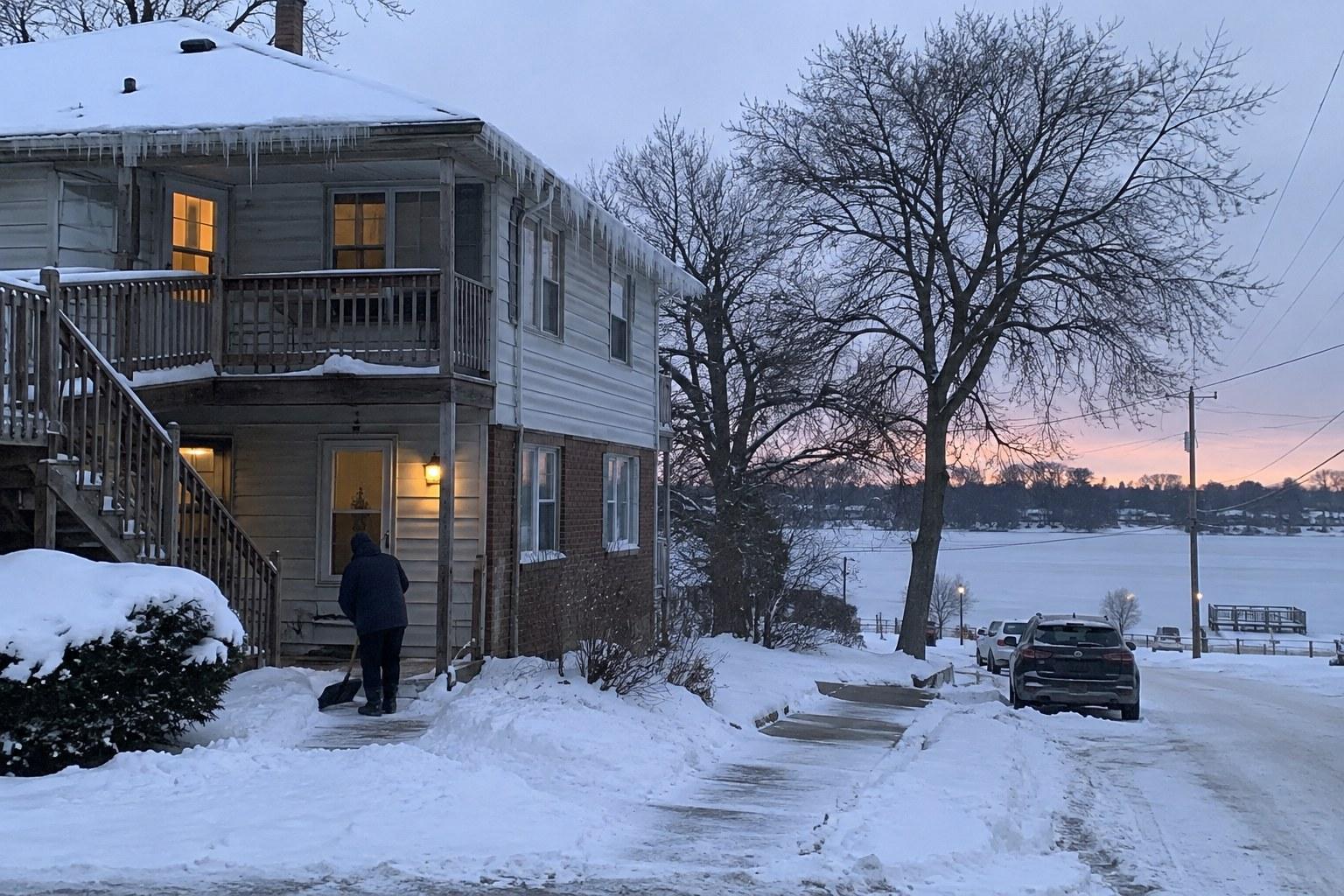
Northern Illinois winters bring their own kind of claims. Long cold snaps, lake-effect wind and older buildings can add up to trouble for renters.
Burst Pipes and Your Belongings
Many renters policies cover sudden and accidental water discharge from plumbing, heating or air conditioning systems, including freezing of those systems. If a pipe bursts in the unit above you in February and soaks your couch and rug, your renters policy may help with your belongings, while the landlord's policy generally handles the building repairs.
There is a catch. Some policies limit coverage for freezing if the unit was left unheated or you did not take reasonable care. If you leave for a long winter trip, keep the heat on and follow any lease rules about winterizing. Gradual leaks and seepage over weeks or months are also commonly excluded.
Sewer Backup
Water that backs up through a floor drain or sewer line is often excluded from a base renters policy. Some carriers offer a sewer or drain backup endorsement. If you rent a garden-level apartment in Round Lake Beach or keep belongings in a basement storage cage, ask about it.
For a wider look at how water claims often play out on the homeowner side, see our post on the most common home insurance claims in Fox Lake.
Lake Cottages and Seasonal Rentals
Some renters around Fox Lake live in converted summer cottages or older lake homes that were not built for year-round use. Those properties can have older wiring, space heaters and pipes in crawl spaces. That does not make you uninsurable, but it is a good reason to be honest about the property when you apply and to ask how your carrier handles these risks.
How to Choose the Right Renters Coverage
Once you know the core coverages and the usual exclusions, the next step is matching a policy to your life. A few simple steps help a lot.
Build a Quick Home Inventory
Walk through your apartment with your phone and record a video of every room. Open closets and drawers. Note big-ticket items and keep receipts where you can find them. This helps you choose a realistic personal property limit and can make a claim smoother later.
Pick Limits and a Deductible You Can Live With
Choose a liability limit that reflects what you could lose in a lawsuit, and ask whether an umbrella policy makes sense if you have significant savings. Your deductible is the amount you pay before coverage applies on a property claim. A higher deductible may lower your premium, but it also means you pay more out of pocket when something goes wrong.
Ask About Bundling and Discounts
Many carriers offer discounts for bundling renters and auto coverage, having smoke alarms or deadbolts, or paying in full. Discounts vary by carrier and policy, and none are guaranteed, but it never hurts to ask. You can learn more about our renters options on our renters insurance page.
Ready to see what a policy built around your apartment might look like? We are happy to walk through it with you.
Frequently Asked Questions
Does renters insurance cover my stuff if my apartment floods?
Usually not if the water is a flood from rising lakes, rivers or heavy rain. Standard renters policies generally exclude flood, so you would typically need separate contents flood coverage. Water that suddenly bursts from a pipe or appliance is treated differently and is often covered. Check your policy wording, because coverage varies by carrier and policy.
Does renters insurance cover my roommate?
Generally, no. A renters policy usually covers the named insured and relatives or household members as the policy defines them. An unrelated roommate typically needs their own policy for their belongings and liability. Some carriers allow roommates on one policy, but that can complicate claims. Ask your agent how your carrier handles shared apartments before you sign a new lease.
Is renters insurance required in Illinois?
Illinois law does not generally require renters to carry renters insurance, but your landlord can require it in the lease. Many apartment complexes around Lake County now ask for proof of coverage and a minimum liability limit. Read your lease carefully, and ask your agent to help you match the coverage to whatever your landlord requires before move-in day.
Will renters insurance pay for a hotel if my apartment is damaged?
It may. Loss of use or additional living expenses coverage can help pay extra costs when a covered loss makes your unit unlivable, such as a hotel or higher food bills. It generally pays costs above your normal expenses, not everything. Limits, time frames and documentation rules vary by carrier and policy, so keep your receipts.
Are my belongings covered if they are stolen from my car?
Often, yes, under the off-premises part of your renters policy, depending on your carrier and policy terms. Your auto policy usually covers the vehicle itself, while personal items inside may fall under renters coverage. Some policies limit off-premises coverage or certain categories like electronics or jewelry. Your deductible still applies, so small losses may not be worth claiming.
Should I choose replacement cost or actual cash value?
It depends on your budget and belongings. Actual cash value generally subtracts depreciation, so older items may pay out very little. Replacement cost generally pays toward a comparable new item, often with a somewhat higher premium. If you would struggle to replace your furniture and electronics at today's prices, replacement cost is worth asking about. Options vary by carrier.
Understanding what renters insurance covers is the easiest way to avoid a surprise after a fire, theft or burst pipe. Your landlord's policy protects their building, while your policy protects your belongings, your liability and your ability to stay somewhere safe after a covered loss. If you want a second set of eyes on your current coverage, call (847) 587-3200 or stop by our office at 37 South St 12 Ste 2, Fox Lake, IL 60020.
Ready to Get Started with Jablonski Insurance?
Whether you rent in Fox Lake, Antioch, Round Lake Beach or anywhere nearby, our family owned agency is here to help you understand your options. Call (847) 587-3200 to talk with a local agent in English, Spanish or Romanian. You can also visit Jablonski Insurance at 37 South St 12 Ste 2, Fox Lake, IL 60020.