
Full coverage car insurance sounds like a single product you can buy off a shelf, but it is really a nickname for a bundle of separate coverages. Ask three people in Fox Lake what it means and you may get three different answers. Some think it pays for anything that happens to their car. Others assume it is whatever their lender asked for. As a family owned agency on Route 12 in Fox Lake, we hear this question every week from drivers in Antioch, Grayslake and Round Lake Beach. Knowing what is actually on your declarations page helps you avoid surprises after a crash.
Not sure what your current policy includes? Give us a call and we can go through it with you, line by line.
Key Takeaways
- "Full coverage" is not an official policy type; it usually means liability plus comprehensive and collision, along with the uninsured motorist coverage Illinois requires.
- Illinois law only requires liability and uninsured motorist coverage, so comprehensive and collision are optional unless a lender or leasing company requires them.
- Dropping comprehensive and collision on an older, paid-off car can make sense for some drivers, but it depends on the car's value and your ability to replace it.
- Even a broad policy may not include gap coverage, rental reimbursement or roadside assistance unless you add them.
- Coverage, limits, deductibles and pricing vary by carrier and policy, so review your own declarations page or talk with an agent before making changes.
Why "Full Coverage" Is a Nickname, Not a Policy
When you buy auto insurance, you are not buying one big blanket. You are buying a list of individual coverages, each with its own limit, and some with their own deductible. Your declarations page lists them one at a time.
No carrier sells a product officially called "full coverage." The phrase is shorthand that agents, lenders, dealerships and drivers use in conversation. Because it is informal, it can mean slightly different things to different people. That is where the confusion starts.
Where the Term Came From
Over the years, "full coverage" became the easy way to describe a policy that protects your own car as well as other people. A liability only policy pays for damage you cause to others. Once policies added coverage for the driver’s own vehicle, people started calling it full. The name stuck, even though no policy covers every possible situation.
Why the Definition Matters
If you tell a dealership in Gurnee or a bank in McHenry that you have full coverage, they will usually want to see specific coverages listed with specific deductibles. If you tell a friend you have full coverage, they might assume you have rental car coverage or towing too. You may not. The only way to know is to read the actual coverages and limits on your policy.
What Full Coverage Car Insurance Usually Includes
In most conversations, the term means a policy with these core pieces. The exact names and options vary by carrier, but the general building blocks look like this.
Liability Coverage
Bodily injury liability helps pay for injuries you cause to other people in an accident where you are at fault. Property damage liability helps pay for damage you cause to someone else's property, like their car, a fence or a mailbox. This is the coverage Illinois requires every registered vehicle to carry. It does not pay to fix your own car.
Comprehensive Coverage
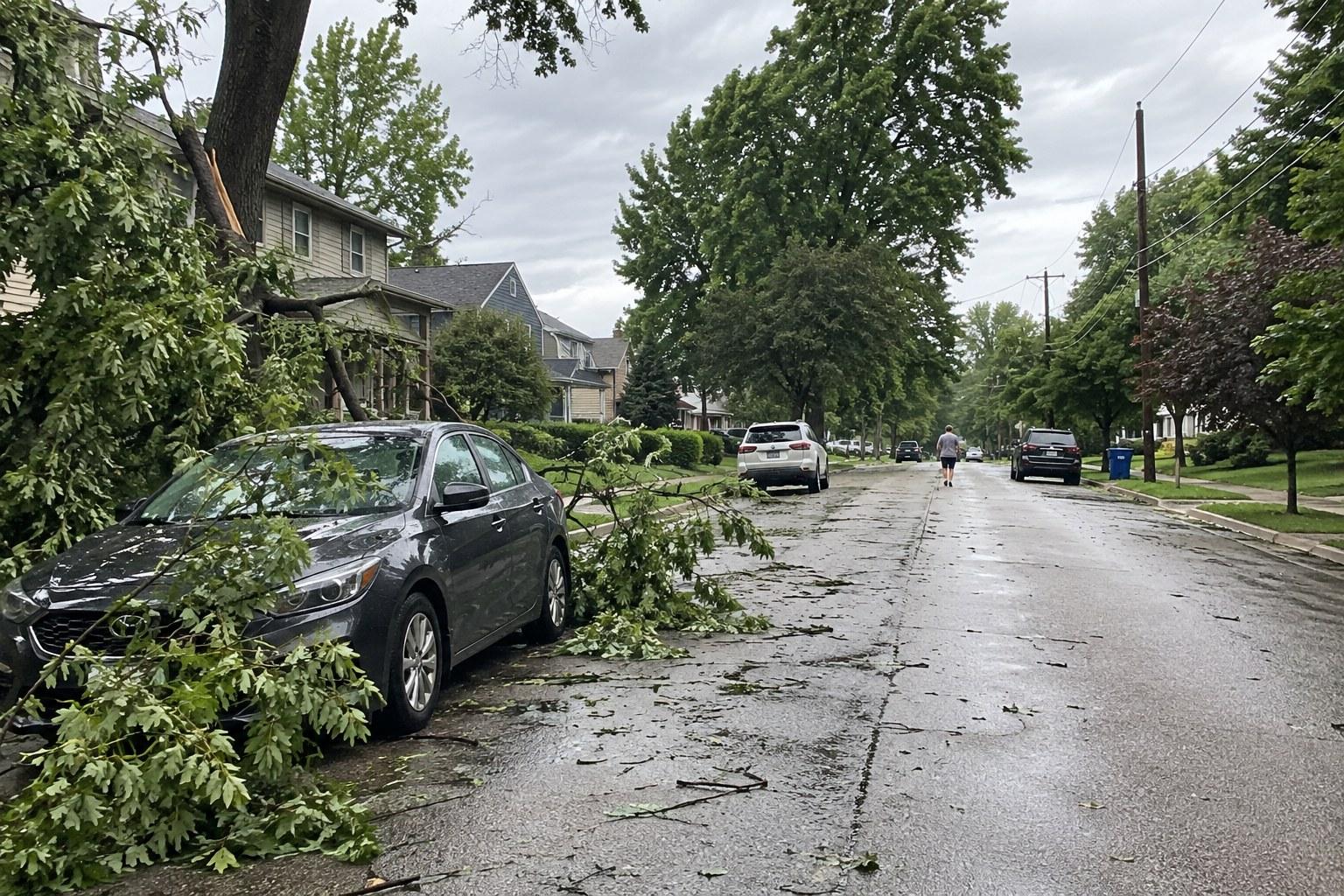
Comprehensive generally helps with damage to your car from events other than a collision. Think theft, vandalism, falling tree limbs, hail, fire, flooding and hitting a deer. Around the Chain O' Lakes, where deer cross the back roads and summer storms roll in fast, many drivers find this coverage useful. It usually carries its own deductible.
Collision Coverage
Collision generally helps pay to repair your car after it hits another vehicle or an object, like a guardrail, a pole or a curb on an icy morning on Grand Avenue. It usually applies regardless of who is at fault, subject to your deductible. If the other driver is at fault, their liability coverage may pay instead, but collision can help you get repairs moving sooner.
We go into the differences between these two in much more detail in our post on comprehensive vs collision coverage before deer season, so we will keep this part short.
Uninsured and Underinsured Motorist Coverage
Uninsured motorist coverage helps protect you if you are hurt by a driver who has no insurance or by a hit-and-run driver. Underinsured motorist coverage can help when the at-fault driver's limits are too low to cover your injuries. Illinois requires uninsured motorist bodily injury coverage on auto policies, so it is part of nearly every Illinois policy, full coverage or not.
Medical Payments Coverage
Medical payments coverage, often called med pay, can help pay medical bills for you and your passengers after an accident, regardless of fault. It is optional in Illinois and limits are often modest. Many drivers include it, and many agents think of it as part of a well rounded policy, but it is not automatically included everywhere.
Illinois Minimum Coverage vs a Full Coverage Policy
Illinois sets a floor for what every driver must carry. According to the Illinois Department of Insurance, the minimum liability limits are 25/50/20. That means $25,000 per person and $50,000 per accident for bodily injury, plus $20,000 for property damage. The Department also notes that Illinois requires uninsured motorist bodily injury coverage at $25,000 per person and $50,000 per accident.
You can review the state's own explanation on the Illinois Department of Insurance auto insurance shopping guide. The Illinois Secretary of State also enforces the mandatory insurance law, and driving without coverage can lead to fines and registration suspension.
How the Two Compare
| Coverage | Illinois Minimum Policy | Typical "Full Coverage" Policy |
|---|---|---|
| Bodily injury liability | Required, at least $25,000 per person / $50,000 per accident | Included, often at higher limits |
| Property damage liability | Required, at least $20,000 per accident | Included, often at higher limits |
| Uninsured motorist bodily injury | Required, at least $25,000 / $50,000 | Included, often matched to liability limits |
| Comprehensive | Not required by the state | Included, with a deductible |
| Collision | Not required by the state | Included, with a deductible |
| Medical payments | Optional | Often included, varies by policy |
| Rental, roadside, gap | Not required | Only if added as optional coverages |
Why the Minimums May Not Be Enough
State minimums were set to make sure every driver has some protection for others. They were not designed around what a serious crash can cost today. A newer pickup or SUV can be worth more than $20,000 on its own, and a multi-car accident on Route 12 could involve several vehicles. If damages go past your limits, you may be personally responsible for the difference.
That is why many drivers choose liability limits higher than the minimum, whether or not they carry comprehensive and collision. Some households with homes, savings or other assets also look at an umbrella insurance policy for extra liability protection. Whether that fits your situation depends on your assets and your risk, and it is worth a conversation.
Want to compare your current limits with the state minimums? A quick call can clear it up.
When Lenders and Leases Require Full Coverage
If you finance or lease your vehicle, the decision about comprehensive and collision may not be fully yours. Until the loan is paid off, the lender has a financial interest in the car. If it is totaled or stolen, they want to know the loss will be covered.
What a Loan or Lease Contract Often Asks For
Most auto loan and lease agreements require you to carry comprehensive and collision for as long as you owe money on the vehicle. Many also set a maximum deductible, such as $500 or $1,000, and require the lender to be listed as a loss payee or lienholder on the policy. Lease contracts sometimes require higher liability limits than the state minimum too.
The exact terms are in your financing paperwork, not your insurance policy. It is a good idea to read that section before you shop or change coverage, so your policy matches what you agreed to.
What Happens If You Drop Required Coverage
If you remove comprehensive or collision while you still have a loan, your insurance carrier will often notify the lienholder. The lender may then buy what is called force-placed or collateral protection insurance and add the cost to your loan. That coverage usually protects the lender's interest, not yours, and it can cost more than a standard policy. Your loan contract may also treat the lapse as a default. Terms vary by lender, so check yours before you make a change.
Buying a Car from a Local Dealer
When you buy a car from a dealer in Fox Lake, Lake Villa or Crystal Lake, the dealership will typically ask for proof of insurance before you drive off the lot. If the car is financed, they will expect comprehensive and collision to be in place. Calling your agent before you sign the paperwork can make that day go a lot smoother.
When Dropping Comprehensive and Collision May Make Sense
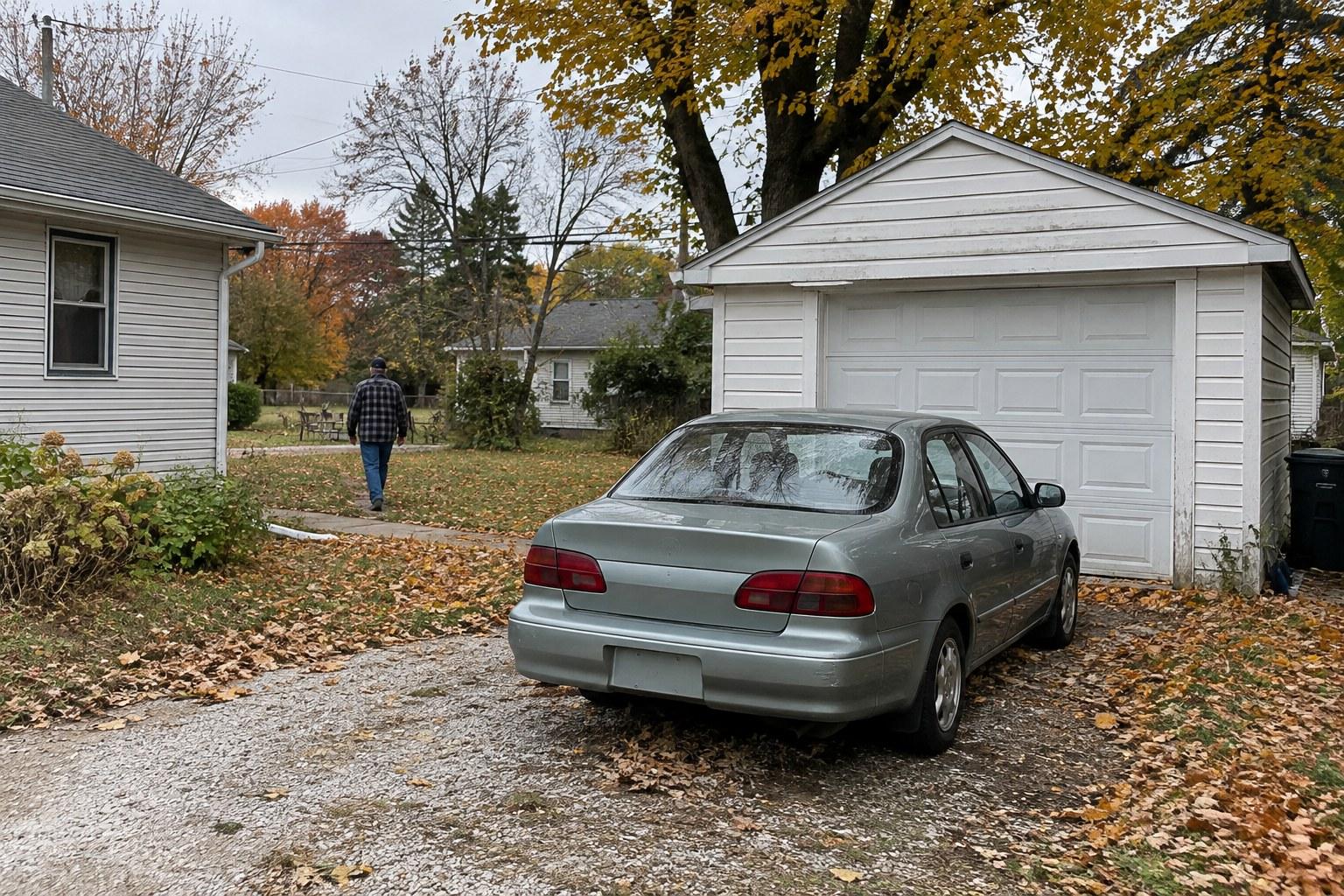
Once your car is paid off, comprehensive and collision become your choice. For some drivers with an older vehicle, keeping them no longer adds much value. For others, it still makes sense. There is no one right answer.
Compare the Car's Value to What You Pay
Comprehensive and collision claims are generally paid based on the car's actual cash value, minus your deductible. If your car is worth $3,000 and your deductible is $1,000, the most you might collect after a total loss is about $2,000. If you are paying a meaningful amount each year for those coverages, it may be worth asking whether the potential payout justifies the cost.
Rules of thumb comparing yearly cost to the car's value are only a starting point. Your own budget matters more.
Ask Whether You Could Replace the Car
The bigger question is this. If the car were totaled tomorrow, could you repair or replace it without real hardship? If you rely on that car to get to work in Libertyville or to drive the kids to school in Antioch, and you could not easily cover another vehicle, keeping the coverage may still be worth it even on an older car.
Consider Keeping Comprehensive Only
Some carriers allow you to keep comprehensive while dropping collision. In deer country around the lakes, where hail and fallen branches are also a real possibility, some drivers like that middle ground. Availability of this option varies by carrier and policy, so ask before assuming it is possible.
Raising the Deductible Instead
Another option is to keep comprehensive and collision but raise your deductibles. A higher deductible generally lowers the cost of those coverages, while still protecting you from a large loss. Our post on choosing the right insurance deductible walks through how to think about that tradeoff.
Gaps Full Coverage Does Not Automatically Fill
This is where many drivers get caught off guard. Even with liability, comprehensive, collision and uninsured motorist on your policy, there are common situations those coverages do not handle. Several of them can be added as optional coverages, depending on the carrier.
Gap Coverage
If your car is totaled, comprehensive and collision usually pay its actual cash value, not what you still owe on the loan. New vehicles can lose value quickly, so in the first few years it is possible to owe more than the car is worth. Gap coverage, sometimes offered by the insurer and sometimes by the lender or dealer, is designed to help cover that difference. It is not part of a standard policy unless you add it.
Rental Reimbursement
If your car is in the shop after a covered claim, your policy may not pay for a rental car unless you have rental reimbursement coverage. When the other driver is at fault, their insurer may provide a rental, but that can take time to sort out. Rental coverage usually has a daily limit and a maximum number of days.
Roadside Assistance and Towing
A dead battery on a January morning, a flat tire on Route 59 or getting stuck in a snowbank are not usually collision claims. Roadside assistance or towing coverage can help with those, but it is often an add-on.
Other Things to Keep in Mind
Personal belongings stolen from your car are usually handled by your home or renters policy, not your auto policy. Custom parts and aftermarket equipment may have limited coverage unless they are scheduled or covered by an endorsement. If any of these apply to you, it is worth reviewing your policy with an agent.
How to Review Your Own Policy
You do not need to be an insurance expert to check what you have. A few minutes with your declarations page will tell you most of what you need to know.
Read the Declarations Page
Your declarations page lists each coverage, its limits and its deductibles. Look for liability limits written as three numbers, like 100/300/100. Check whether comprehensive and collision appear for each vehicle, and note the deductibles. Then look for uninsured and underinsured motorist limits, med pay, rental and roadside.
Match It to Your Life
Ask yourself a few simple questions. Do you still owe money on the car? Could you replace it out of pocket? How far do you drive each day, and in what conditions? Do you have assets you would want to protect if you caused a serious accident? Your answers can point you toward the right mix.
Check Again When Life Changes
Buying a new car, paying off a loan, adding a teen driver or moving across Lake County are all good times to take another look. You can learn more about how pricing is set in our post on how car insurance rates are determined, or explore our auto insurance options for local drivers.
Ready to see what your policy actually covers? Call our Fox Lake office and we will walk through it with you.
Frequently Asked Questions
Is full coverage required by law in Illinois?
No. Illinois requires liability coverage of at least 25/50/20 and uninsured motorist bodily injury coverage, according to the Illinois Department of Insurance. Comprehensive and collision are not required by state law. However, if you finance or lease your vehicle, your lender or leasing company will usually require them until the loan or lease ends.
Does full coverage pay for everything that happens to my car?
No. Full coverage usually means liability, comprehensive, collision and uninsured motorist coverage. It generally does not include wear and tear, mechanical breakdown, gap coverage, rental reimbursement or roadside assistance unless you add them. Each claim is also subject to your deductible, limits and policy terms, which vary by carrier and policy, so review your declarations page.
Can I drop full coverage once my car is paid off?
Usually you can, since the lender no longer has a say. Whether you should depends on the car's value, your deductible and whether you could replace the car without hardship. Some drivers keep comprehensive and drop collision, if their carrier allows it. Talking it through with an agent can help you weigh the tradeoffs before changing anything.
What deductible do lenders usually allow?
Many auto loans and leases set a maximum deductible for comprehensive and collision, often $500 or $1,000, but the limit depends on your specific contract. Check your financing paperwork before choosing a deductible. If you pick one higher than your lender allows, they may consider you out of compliance with the loan terms, even though your policy is active.
Does full coverage include a rental car after an accident?
Not automatically. Rental reimbursement is typically an optional coverage you add to your policy, with a daily limit and a maximum number of days. If another driver caused the accident, their insurer may pay for a rental, but timing can vary. Check your declarations page to see whether rental coverage is listed for each vehicle you own.
Is gap insurance part of a full coverage policy?
Usually not. Gap coverage is a separate option that can help pay the difference between your car's actual cash value and what you still owe on the loan or lease after a total loss. Some carriers offer it, and some lenders or dealers sell it. Availability and terms vary, so ask about it when you finance a newer vehicle.
Full coverage car insurance can be a smart choice for many drivers, but the name alone does not tell you what you are protected against. The details on your policy do. If you would like a local agent to look over your coverages, limits and deductibles with you, call Jablonski Insurance at (847) 587-3200 or stop by our office at 37 South St 12 Ste 2, Fox Lake, IL 60020.
Ready to Get Started with Jablonski Insurance?
Our family owned agency has helped drivers across Lake County, McHenry County and Kenosha understand their auto coverage for years. We offer 24/7 claims support and service in English, Spanish and Romanian. Call (847) 587-3200 to talk with our team. You can also visit Jablonski Insurance at 37 South St 12 Ste 2, Fox Lake, IL 60020.