
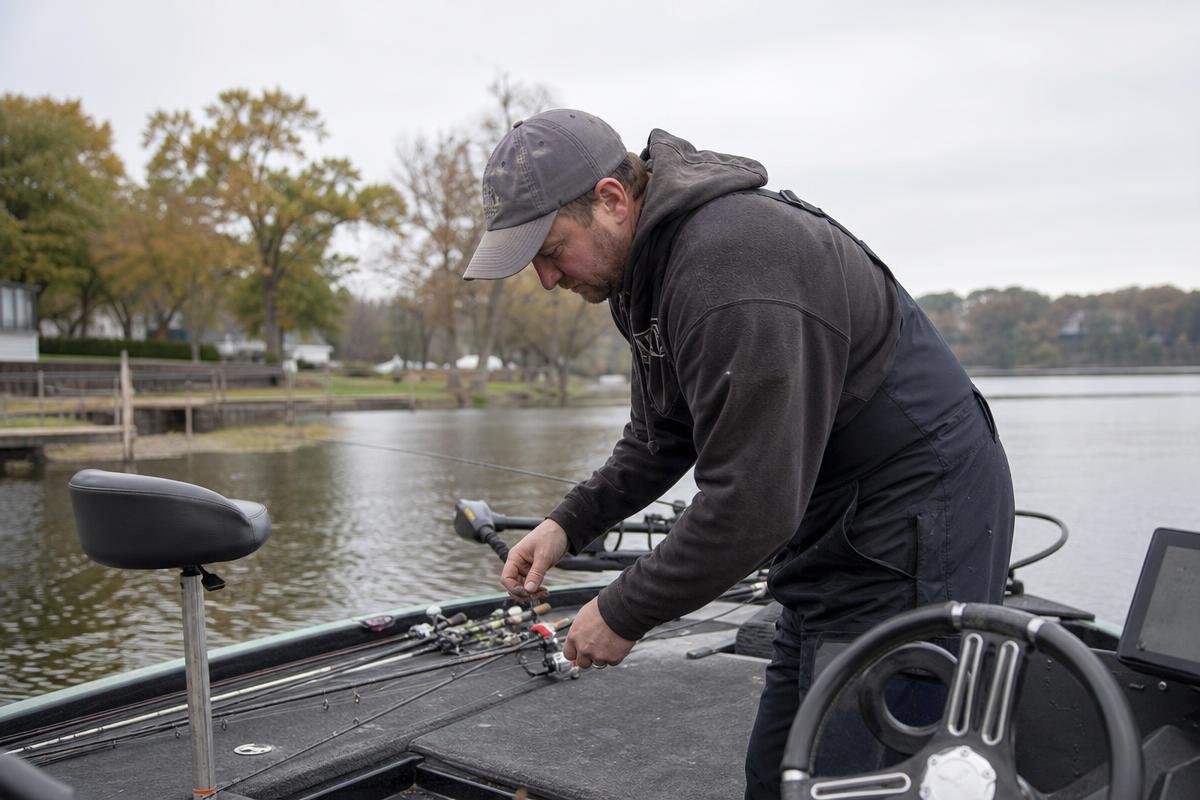
Running your own business in Fox Lake means you wear every hat. And one of the most important ones is making sure you're covered if something goes wrong. The right small business insurance types can protect your income, your equipment, and your customers. Whether you're guiding fishing charters on the Chain O'Lakes, running a home-based operation, or doing seasonal work in the area, we can help you find coverage that actually fits what you do. Jablonski Insurance is a local agency at 37 S Route 12, Ste 2, Fox Lake, and we work with independent operators around the lakes every day, so we already know what these businesses run into.
Not sure which policies your business actually needs? Let's figure it out together.
Key Takeaways
- Sole proprietors in Fox Lake need several specific policy types, not just one general policy.
- General liability insurance is usually the first coverage a business owner should get in place.
- Professional liability protects you if a client claims your work caused them a financial loss.
- Workers' compensation may be required in Illinois even if you only have one or two employees.
- A local agent can look at what you actually do for work and tell you which of these policies you genuinely need.
Why Doesn't Personal Insurance Cover Your Business?
Personal policies exclude business activity, full stop. Picture this. You run fishing charters out on the water from May through October. You have car insurance. You have a homeowner's policy. You figure you're covered. Then a client slips on your boat, or your equipment gets stolen, and you find out fast that personal policies don't cover business activity. Not even close.
This situation is common around the lakes area. Fishing guides, waterfront landscapers, home-based consultants, short-term rental hosts. All independent operators. All assuming personal coverage has them protected. It doesn't.
This post breaks down the coverages that matter most for sole proprietors in the area. We'll cover what each policy does, what it doesn't do, and how to build the right combination for your situation. If you want to talk through your options directly, our team offers insurance services in Fox Lake built for exactly this kind of business owner.
Why Does Fox Lake's Independent Workforce Face Unique Coverage Gaps?
The local waterfront economy is unlike most small-town markets in the region. You have fishing guides, dock installers, landscapers, short-term rental hosts, and home-based consultants all operating out of the same ZIP code. That mix creates coverage gaps that catch a lot of freelancers off guard. Standard personal policies were never designed to handle what you actually do for a living.
Seasonal and Waterfront Businesses Add Complexity
If you run a fishing guide service or take clients out on the water, your personal boat policy will not protect you. State insurance standards explicitly exclude commercial use of a vessel from personal watercraft policies. The same problem applies to your vehicle. Personal auto policies here exclude business driving. If you get into an accident while hauling equipment to a client site in Antioch or Ingleside, your claim can be denied outright. You need commercial coverage for commercial activity. It is that straightforward.
Dock installers and landscapers face a similar problem. Your work happens on clients' private property, often near the water, and your tools travel with you. A personal policy does not follow you into that environment the way a business insurance policy does.
Your Homeowners Policy Does Not Cover Business Activity
This is the gap we see most often. A contractor with $8,000 in tools stored in the garage has no coverage for those tools under a standard homeowners policy. Homeowners policies typically exclude or severely limit both business property and business liability. If you meet clients at your home, that creates a liability exposure your homeowners policy will not respond to either.
Short-term rental hosts have a separate layer of risk entirely. If you rent out a lakefront cottage through a booking platform, your homeowners policy almost certainly does not cover that activity. Our landlord and host insurance options are built specifically for that situation. If you want to review your current gaps, stop by our office at 37 S Route 12, Ste 2 in Fox Lake or give us a call at (847) 587-3200.
The 5 Coverage Types Every Fox Lake Sole Proprietor Should Know
Most self-employed people in the area carry zero business coverage. That is a real problem. Here is a plain-language breakdown of the five core policies, what each one does, and which local businesses need it most.
- What Does General Liability Insurance Cover?
General liability insurance covers third-party bodily injury and property damage claims. Say a landscaper in Antioch accidentally nicks a client's fence or a customer slips on your freshly mopped floor. GL pays for the claim and your legal defense. Most Illinois business licenses and client contracts require it. What it does NOT cover: your own injuries, your own equipment, or mistakes in your professional work. That is a separate policy.
- Commercial Property
Commercial property insurance covers your business-owned equipment, inventory, and physical workspace against fire, theft, and certain weather events. A home-based baker in Ingleside whose commercial mixer gets stolen would file here. If you work from a home office, your homeowner's policy almost certainly excludes business equipment above a very low limit. One important note: flood damage is not included. Given how close many local businesses sit to the waterway, you will want a separate flood insurance policy alongside this one.
- What Is Professional Liability (E&O) Insurance?
Professional liability, also called Errors and Omissions, covers financial harm a client claims resulted from your advice, design, or service. Think of a bookkeeper in Lake Villa who makes a payroll error that costs a client money. E&O pays for the claim and your defense costs. It does NOT cover intentional wrongdoing or bodily injury. If you consult, design, advise, or manage anything for clients, this coverage matters more than most people realize.
- Business Owners Policy (BOP)
A BOP bundles general liability and commercial property into one policy at a lower combined premium than buying each separately. Illinois insurers typically offer BOPs to businesses with fewer than 100 employees, which covers nearly every sole proprietor and small shop. It is a smart starting point for a small retail or service business in the area. What a BOP does NOT include: workers compensation, commercial auto, or professional liability. Those require separate policies. Check our full list of insurance services to see how these pieces fit together.
- Commercial Auto
Illinois law requires commercial auto coverage whenever a vehicle is used primarily for business purposes. This applies to plumbers driving a work van across the county, mobile pet groomers running routes through Johnsburg, and fishing guides hauling trailers to the boat launch. Your personal auto policy excludes business use. If you get into an accident during a delivery run or a client visit, a personal policy can deny the entire claim. Commercial auto closes that gap. Do not assume your existing coverage handles it.
These five policy types form the foundation of commercial coverage for independent operators. Not every business needs all five. But every business needs at least one, and most need two or three working together. If you are unsure which combination fits your situation, our insurance FAQs are a good next step before we talk through your specific setup.
Ready to match the right business coverage to your situation? Call us at (847) 587-3200 or stop by our office and we will help you sort it out.
Two More Coverage Types Worth Considering for Fox Lake Business Owners
The five core policies cover most situations. But as your business grows, two additional coverage types become harder to ignore. Think of these as the next layer of protection, not a scary extra expense.
Do You Need Workers Compensation?
Illinois law requires workers compensation coverage the moment you hire even one employee, with no grace period and no exceptions for small operations. Sole proprietors with zero employees are generally exempt, but that changes fast. Hire a seasonal helper to assist with summer landscaping along the waterway, and you are legally required to carry it.
This matters because general liability does not cover on-the-job injuries to your workers. Workers comp pays medical expenses and lost wages when an employee gets hurt on the job. If you are unsure whether your situation triggers the requirement, our agents can walk you through it quickly. Check our insurance FAQs for common questions about employee coverage thresholds.
Commercial Umbrella
A commercial umbrella policy sits above your existing liability coverage and pays when a claim exceeds your underlying policy limit. Picture a contractor working on a high-value waterfront property near Island Lake. A job-site accident leads to a $1.5 million lawsuit, but the general liability policy only covers $1 million. The umbrella fills that gap.
Waterfront properties in Lake County carry elevated property values and elevated lawsuit exposure. For contractors, dock installers, and anyone doing commercial work near the water, umbrella coverage is worth a serious look.
How to Choose the Right Combination of Business Insurance for Your Situation
There is no single policy that fits every independent operator. The right mix depends on what you do, where you work, and who you work with. Start by matching your business type to a realistic risk profile, then fill the gaps.
Match Coverage to Your Business Type and Risk Profile
Three profiles come up constantly in our conversations with local business owners.
Home-based consultant or freelancer: You probably need professional liability insurance first. If clients visit your home workspace, add general liability. A home-based business endorsement on your homeowners policy may also be worth asking about.
Trades contractor: General liability is non-negotiable. Add commercial auto if you drive to job sites, commercial property to protect your tools and equipment, and workers compensation the moment you bring on any help.
Waterfront or seasonal operator: Think fishing guides, boat rental operators, or landscapers running a business from May through October. You need general liability, commercial auto, and a watercraft or marine endorsement. A business owners policy Illinois carriers offer can bundle several of these efficiently.
Check out our landlord and host insurance options if you also run a short-term rental on the water.
A Simple Checklist: Which Coverages Do You Need?
Answer yes or no to each question. Every "yes" maps to a coverage type you should have in place.
- Do clients visit your workspace? Yes = General Liability
- Do you own tools, equipment, or inventory? Yes = Commercial Property or a BOP
- Do you give advice or provide a specialized service? Yes = Professional Liability
- Do you drive for work? Yes = Commercial Auto
- Do you have any employees? Yes = Workers Compensation
- Could one lawsuit wipe out your personal savings? Yes = Commercial Umbrella
Print this list and bring it with you when you visit us at 37 S Route 12, Ste 2. We will walk through each line and help you build a policy mix that actually fits. You can also browse our insurance FAQs if you have questions before you call.
Ready to match the right policies to your situation? Call us at (847) 587-3200 or stop by our office and we will help you sort it out.
What Does Small Business Insurance Cost in Illinois?
There is no single answer. A low-risk sole proprietor working from home may find general liability available at a relatively modest annual premium. A waterfront boat rental operator or fishing guide will pay more, because weather exposure, flood risk, and seasonal liability all factor into the rating. If you want a real number, the only way to get one is to get quoted.
Factors That Affect Your Premium
Insurers look at several things when pricing a policy for a small business owner in this area:
- Industry and business type, a landscaper carries different risk than a bookkeeper
- Annual revenue, higher revenue generally means higher exposure
- Number of employees, even one employee changes your workers' compensation picture
- Claims history, prior claims signal future risk to carriers
- Coverage limits selected, higher limits cost more, but protect more
- Physical location, proximity to water affects commercial property and flood insurance premiums for businesses near the waterway
Why a Local Agent Gets You Better Value
An online quote form asks you to pick your industry from a dropdown and prices you off that. It does not ask whether you take clients out on the water, whether your tools ride in your truck overnight, or whether the seasonal helper you hire in June just put you into workers comp territory. Those details are the difference between a policy that pays and a claim that gets denied. We ask them up front, so what you buy actually matches how your business runs.
Fox Lake Business Owners: Local Context That Affects Your Coverage Needs
Waterway Commerce and Seasonal Business Cycles
Running a business in the 60020 ZIP code is different from running one in a landlocked town. The Chain O'Lakes waterway system here drives real seasonal commerce. Fishing guides, boat rental operators, landscapers, and short-term rental hosts all see their revenue spike from late spring through early fall, then drop sharply. That revenue swing creates an insurance planning challenge most flat-rate policies don't account for.
Seasonal policy structuring is a real option. We can align your coverage limits and terms with your actual operating calendar, so you're not paying for peak-season liability exposure during the months your business is quiet. If you also own a watercraft you use for business or personal use, that's a separate conversation worth having with our team.
Home-Based and Landlord Businesses in Local Neighborhoods
The residential mix here includes older lakefront cottages, year-round subdivisions, and manufactured home communities. A growing number of residents run short-term rentals, home daycares, or rent out secondary units from these properties. Each of those activities creates business liability that a standard homeowners policy simply won't cover.
If you're hosting guests through Airbnb or VRBO, or renting a unit to a long-term tenant, you need dedicated landlord and host coverage built for that exposure. One more thing worth mentioning: some business owners in this area also operate across the state line into the Kenosha area. If that's you, multi-state commercial auto and liability coverage is something to discuss before a claim forces the conversation.
Frequently Asked Questions
Do I need business insurance if I'm a sole proprietor in Illinois?
The state does not require most sole proprietors to carry general liability insurance, but that does not mean you are protected without it. As a sole proprietor, you are personally liable for every business debt and legal judgment. Your personal savings, vehicle, and home are all on the table. Many clients and contracts will require proof of coverage before they hire you anyway.
What is the difference between a BOP and general liability insurance?
A business owners policy bundles general liability and commercial property coverage into one policy, usually at a lower combined cost than buying each separately. General liability alone does not protect your equipment, tools, or workspace. If your business has both client-facing liability exposure and physical assets worth protecting, a BOP is often the smarter starting point.
Does my homeowners insurance cover my home-based business in Fox Lake?
Standard homeowners policies exclude or sharply limit business liability and business property. If a client visits your home office and gets injured, your personal homeowners policy almost certainly will not cover it. Some carriers offer a home-based business endorsement, but it is rarely enough for regular client visits or significant equipment. We can identify exactly where your gap is and fill it.
How much does general liability insurance cost for a small business in Illinois?
Premiums depend on your industry, annual revenue, coverage limits, and claims history. There is no single number that applies to every trade or service business. The best way to get a real number is a quick conversation about your specific situation.
Can I get commercial auto coverage if I use my personal vehicle for work?
Yes. A business-use endorsement or a commercial auto policy covers personal vehicles used regularly for work purposes. Without it, your personal auto policy may deny a claim that occurred during a work errand. This is especially common among self-employed trades and service providers working across the Lake County and Kenosha area.
What should I bring to my first business insurance consultation?
Come with your annual revenue estimate, a description of your services, a list of any physical locations and equipment, a subcontractor or employee list if applicable, and copies of any contracts requiring proof of insurance. That gives us everything we need to build the right coverage combination from the start.
Ready to figure out which coverage types your business actually needs? Call Jablonski Insurance at (847) 587-3200 or stop by our office at 37 S Route 12, Ste 2. We will build a policy combination that fits your business, your season, and your budget. No pressure, no jargon. Just a straight conversation about protecting what you have built.
Ready to Get Started with Jablonski Insurance?
Call (847) 587-3200 to speak with our team directly. We're ready to answer your questions, walk you through your options, and help you find the right solution for your needs. Whether you're just starting to plan or ready to move forward, we'll make the process simple and stress-free.
Reach out today and let's review your coverage together.