
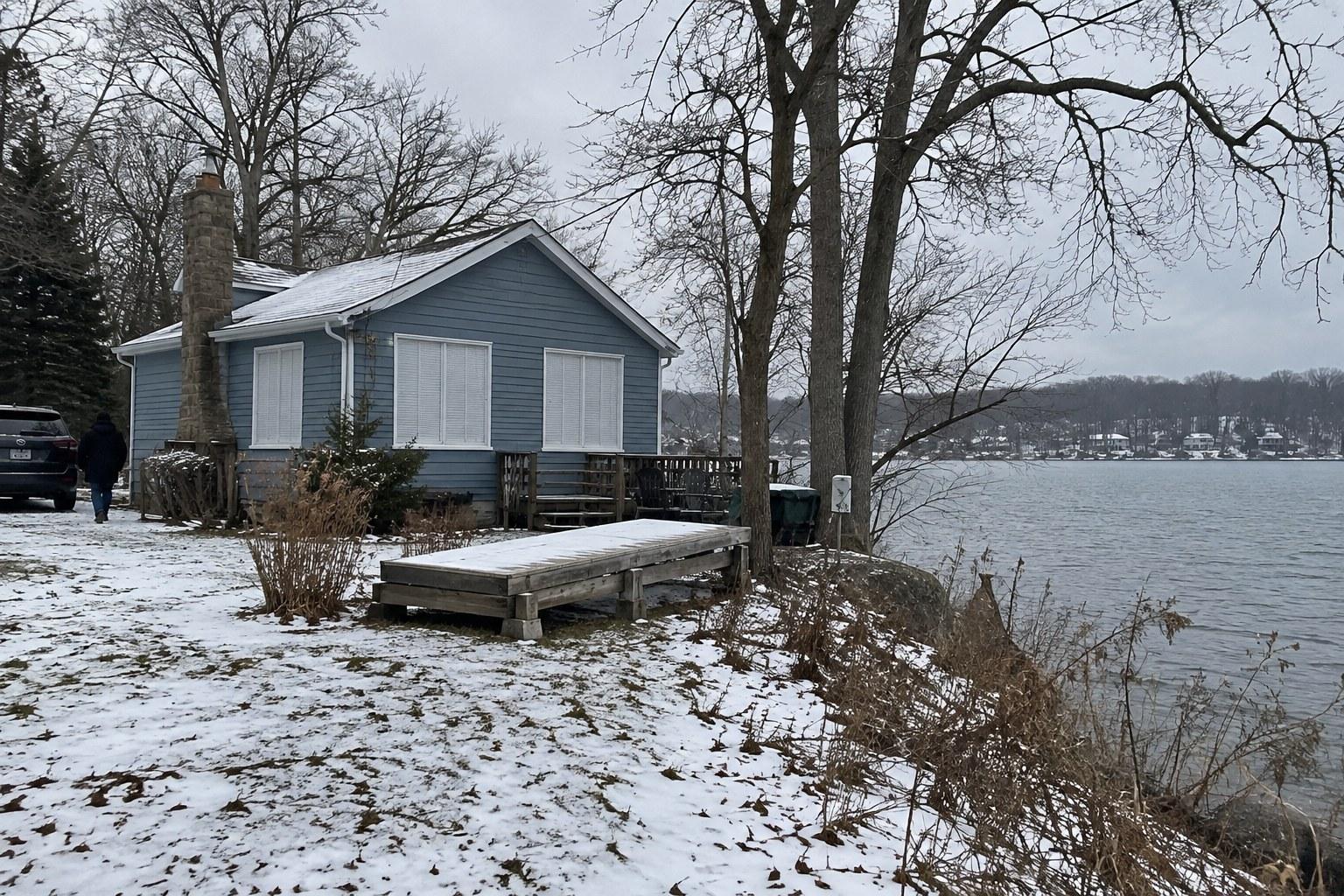
Vacant home insurance matters more than most people expect when a house sits empty for a stretch of time. Maybe it is a lake cottage on the Chain O'Lakes that you close up after Labor Day, a parent's house in Antioch you inherited, or a Round Lake Beach home sitting on the market while you live somewhere else. A standard homeowners policy is usually written for a home someone lives in, and an empty house can change that picture. As a family owned agency on Route 12 in Fox Lake, we help Lake County owners understand where the gaps tend to show up before a long empty stretch begins.
Have a home that will sit empty this season? Give us a call and talk it through before you lock the door.
Key Takeaways
- Many homeowners policies treat a "vacant" home differently from an "unoccupied" one, and the policy wording decides which rules apply.
- Common vacancy clauses can limit or exclude claims like vandalism, glass breakage and some water damage after a home has been vacant for a set number of consecutive days, often 60 or 30.
- Seasonal cottages, inherited homes, homes for sale and homes under renovation are the situations where vacancy questions come up most often.
- Winterizing steps such as shutting off the water, keeping heat on and scheduling regular inspections are things many carriers expect, and some policies tie freeze coverage to them.
- Coverage, available endorsements and vacant dwelling options vary by carrier and policy, so review your own policy and talk with your agent before a home sits empty.
Why Empty Homes Are a Different Risk
An insurance company prices a homeowners policy based on how a typical lived-in home behaves. Someone is there most days. They notice a drip under the sink, hear the furnace kick off, and see the broken basement window before snow drifts in. When nobody is around, small problems have time to become big ones.
That is the basic reason carriers pay close attention to empty homes. A burst pipe in an occupied house might be caught in an hour. In a closed-up cottage off Grand Avenue, it might run for two weeks before a neighbor notices ice on the siding.
The Problems That Grow When No One Is Home
Here are the kinds of losses that tend to get worse in an empty home:
- Frozen and burst pipes. Northern Illinois winters can push temperatures well below zero, and an unheated house is exposed.
- Vandalism and break-ins. A dark house with no cars and an unshoveled driveway can draw attention.
- Slow leaks. A failed water heater or a roof leak can soak drywall and floors for weeks.
- Fire that spreads. Without anyone to call 911 early, a small electrical fire can become a total loss.
Why Lake Country Homes See This Often
The area around Fox Lake, Pistakee Lake and the rest of the Chain has a long history of summer places. Plenty of families from Chicago and the suburbs own a cottage they use from Memorial Day through early fall and then leave closed for months. Add inherited homes and houses for sale in Grayslake and McHenry, and plenty of homes sit empty at some point. If that describes your situation, it is worth a closer look at your policy.
Vacant Versus Unoccupied and Why the Words Matter
These two words sound like the same thing. In insurance, they often are not. Many policies and courts treat them differently, and the difference can affect how a claim is handled.
What "Vacant" Usually Means
In general, "vacant" tends to mean the home is empty of people and of the things people need to live there. According to a CLM Magazine article on vacancy and occupancy, courts have generally treated vacant as entirely empty, with no people and no contents.
What "Unoccupied" Usually Means
"Unoccupied" generally means the furniture and belongings are still there, but no one is living in the home on a regular basis. A furnished lake cottage that you visit a few weekends a year could fit this description during the off-season. The CLM article describes unoccupied as the lack of a habitual human presence, even when contents remain.
How Policy Wording Changes the Answer
Some policies only use the word "vacant" in their exclusion. Others use broader language like "vacant or unoccupied." That small difference can matter. A furnished seasonal home might not be "vacant" under a narrow definition, yet still fall under a broader "unoccupied" provision. Because definitions vary by carrier and policy, the only reliable answer comes from reading your own policy language with your agent.
| Situation | Often Considered | What to Ask Your Agent |
|---|---|---|
| Furnished lake cottage closed for winter | Unoccupied, possibly vacant depending on wording | Does my policy limit coverage for unoccupied homes, and for how long? |
| Inherited home with contents being cleared out | Moving from unoccupied toward vacant | Who should be the named insured, and when does vacancy start counting? |
| Empty home listed for sale | Vacant | Do I need a vacancy endorsement or a different policy type? |
| Home under major renovation | Depends on the work and the policy | Does renovation activity change how vacancy applies? |
| Rental home between tenants | Vacant | How long can it sit empty before coverage changes? |
How Common Vacancy Clauses Work
Most homeowners policies include some kind of vacancy provision. The details vary, but the general structure tends to look similar, so knowing the basic idea helps you ask better questions.
The Consecutive Days Clock
Many vacancy clauses kick in after a home has been vacant for a set number of consecutive days. Sixty days is a common figure, and some policies use 30. The CLM Magazine article notes that ISO homeowners language can limit certain coverages once a house has been vacant for more than 60 (or 30) consecutive days. Your policy may use a different number, so check the exact wording. "Consecutive" also matters. A quick weekend visit may or may not reset the clock, depending on how the policy defines occupancy.
Claims a Vacancy Clause Can Limit
When a vacancy provision applies, it can limit or exclude coverage for specific types of damage. Based on the CLM Magazine summary of ISO language, these commonly include:
- Vandalism and malicious mischief
- Glass breakage
- Some water damage
- Sprinkler leakage when the system was not protected against freezing
- Theft or attempted theft
The same article notes that some forms reduce payment on other covered losses by a set percentage when the vacancy period has been exceeded. Not every policy works this way, and not every carrier uses ISO forms. That is why reading your specific policy matters so much.
Freezing Rules That Often Apply Even Sooner
Separate from the vacancy clause, many homeowners policies have a freezing provision. It often says freeze damage to plumbing, heating or air conditioning systems may not be covered while the home is vacant or unoccupied unless you took reasonable care to keep heat in the building, or shut off the water and drained the system. This kind of condition can matter from the first cold night, not just after 60 days. For a lake cottage near the Chain, that is the provision worth reading first.
Not sure how your policy handles an empty home? A short call can help you find out before winter sets in.
Vacant Home Insurance Options to Ask About
If your home will be empty longer than your policy allows, there are usually a few paths to discuss. Which ones are available depends on the carrier, the property and how long it will sit empty. We cannot promise a specific product will fit your home, but we can walk you through what may be possible.
Vacancy Permits and Endorsements
Some carriers offer an endorsement or permit that modifies the vacancy provision on an existing policy. This may extend the allowed vacancy period or restore certain coverages for a set time. These endorsements often come with conditions, such as regular inspections or keeping utilities on, and may add to the premium. Availability varies by carrier and policy.
Vacant Dwelling Policies
For homes that will be empty for a longer stretch, such as an estate property or a house on the market for several months, some insurers write a separate vacant dwelling policy. These are designed for empty homes and may offer narrower coverage than a standard homeowners policy, sometimes on a named perils basis. Coverage, cost and eligibility vary widely, so it is worth comparing the terms carefully.
Seasonal or Secondary Home Coverage
A furnished summer cottage that you use regularly may be insured as a seasonal or secondary home rather than a vacant one. These policies are built around the idea that the home is used part of the year. Even then, the off-season months may come with conditions. Our home insurance page has more on the coverage we help families set up, and we can talk through how a second home fits in.
When a Different Policy Type Fits Better
Sometimes the right move is a different kind of coverage altogether. If an empty house becomes a rental, landlord and host insurance may be more appropriate than a homeowners policy. If the home sits near the water, ask whether flood insurance makes sense, since standard homeowners policies generally do not cover flood damage.
Winterizing Steps Many Carriers Expect
Insurance aside, a well-prepared empty home is simply less likely to have a loss. Many carriers expect owners to take reasonable steps to protect an empty house, and some policies tie freeze coverage directly to those steps. Here is a practical list for a Chain O'Lakes winter.
Water and Plumbing
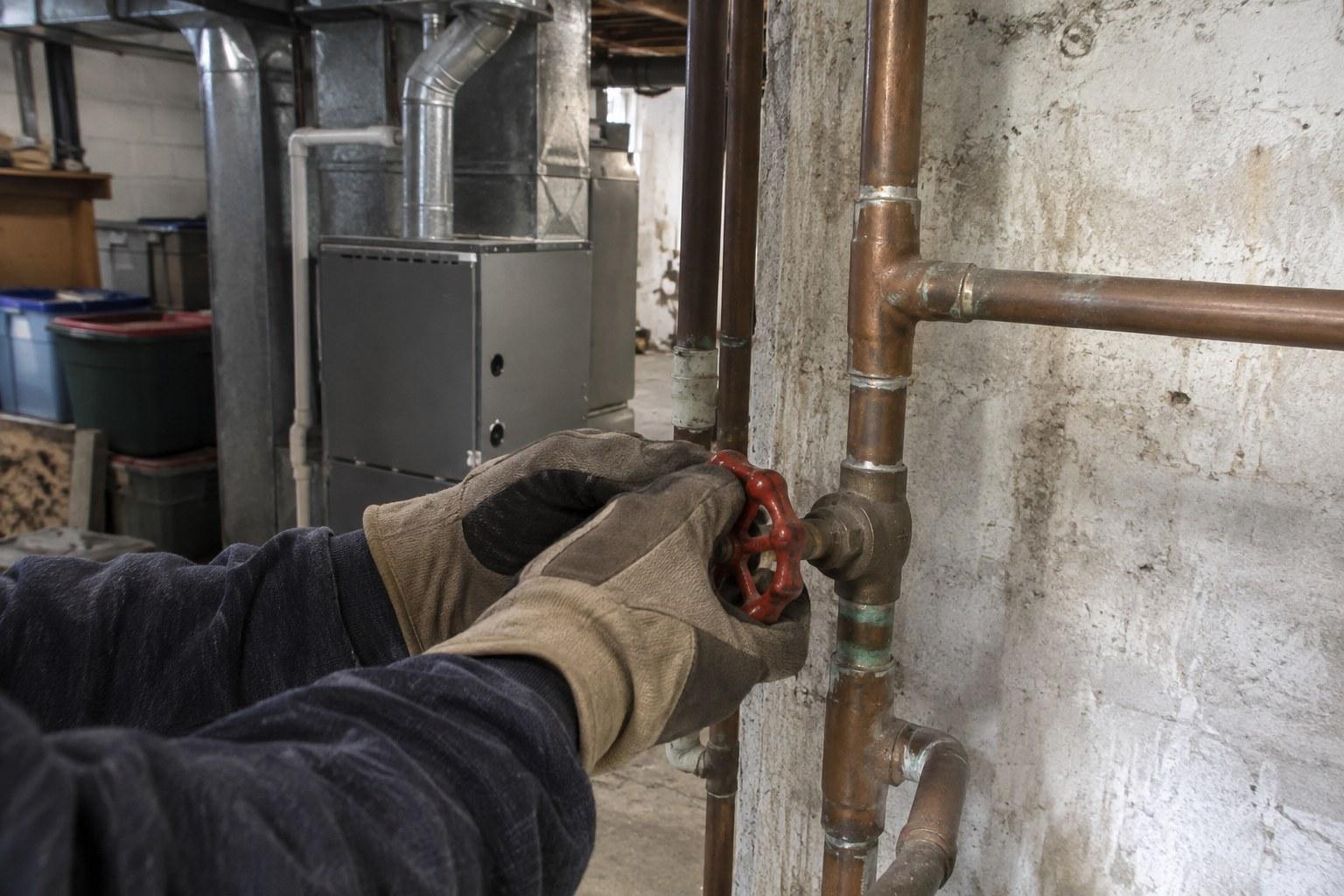
- Shut off the main water valve when the home will be empty for a long stretch.
- Drain the supply lines, water heater and any outdoor spigots, or hire a plumber to blow out the lines.
- Add plumbing antifreeze to traps and toilets if a plumber recommends it.
- Check that the sump pump works and has a backup if the basement is prone to water.
Heat and Utilities
- If you leave the water on, keep the heat set to a steady minimum. Many owners pick a setting in the mid-50s, but ask your agent and a heating contractor what fits your home.
- Have the furnace serviced before winter so it is less likely to quit in January.
- Consider a smart thermostat or temperature alert that warns you if the house gets too cold.
- Keep electricity on for the furnace, sump pump and any alarm system.
Inspections and Security
- Arrange for someone to check the home on a regular schedule, and keep a simple log with dates and notes.
- Have a neighbor or service keep the driveway and walk shoveled so the house looks lived in.
- Lock and check all doors, windows and outbuildings, including any boathouse.
- Take dated photos or video of the inside and outside before you leave.
For more on getting a home ready for cold weather, see our fall home insurance checklist for northern Illinois.
Common Empty Home Situations Around Lake County
Every empty house has its own story. Here is how coverage questions tend to play out in a few situations we see across Fox Lake and nearby towns.
The Seasonal Lake Cottage
A family uses a cottage on Nippersink Lake from spring through October, then drains the pipes and leaves it closed. The furniture stays. In this case, the key questions are how the policy treats unoccupied months, what the freezing provision requires and whether occasional winter visits count as occupancy. A seasonal or secondary home policy may fit better than a primary homeowners policy.
The Inherited or Estate Home
After a parent passes, the house in Lake Villa or Spring Grove may sit while the estate is settled. Contents get cleared out over weeks, and the home can slide from unoccupied to vacant. There are often questions about who should be on the policy, whether the existing coverage continues and how long it lasts. Call your agent early, ideally before the home is emptied, so coverage can be reviewed while there is still time to adjust.
The Home for Sale
You bought a new place and moved, but the old house in Round Lake Beach has not sold yet. Once your furniture is gone, the home may be considered vacant. If the sale takes longer than expected, the vacancy clock can run out. Tell your agent when you move out, not when the house finally closes.
The Home Under Renovation
A house being gutted and rebuilt might have workers in and out, but nobody living there. Whether renovation activity changes how a vacancy clause applies depends on the policy language and the scope of the work. Some carriers treat renovation homes as a separate risk. If contractors are involved, also confirm they carry their own coverage. Our post on what a contractor insurance certificate covers explains what to look for.
Why You Should Tell Your Agent Before the Home Sits Empty
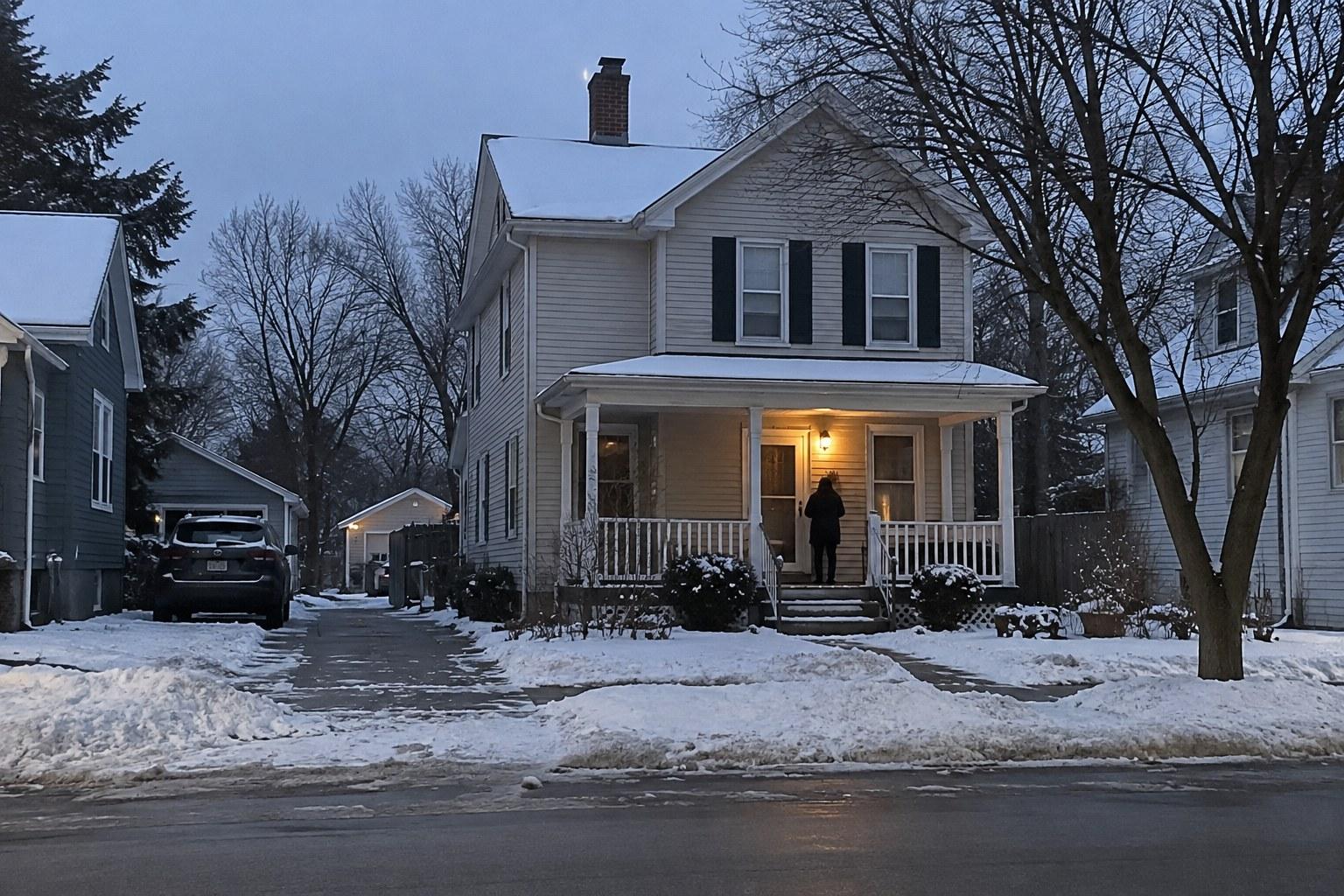
The single most useful step is simple. Let your agent know when a home will be empty, how long you expect it to stay that way and why. Insurance problems around vacancy often come down to timing, and finding out about a gap after a loss is the worst time.
What to Have Ready When You Call
- The address and your current policy number
- The date the home became or will become empty
- Whether furniture and belongings will stay
- Your plans for heat, water and inspections
- Whether the home is for sale, inherited, seasonal or under renovation
- Any planned changes, such as renting it out or moving back in
What a Policy Review Can Show
A review can point out where your vacancy and freezing provisions sit, how many days your policy allows and whether an endorsement or another policy type may be worth discussing. The Illinois Department of Insurance has homeowners policy definitions that can help you read your declarations and exclusions with more confidence.
Ready to review how your empty or seasonal home is covered? Our Fox Lake office can walk you through it.
Frequently Asked Questions
Does homeowners insurance cover a house that sits empty?
Often it does for a limited time, but many policies change once the home has been vacant for a set number of consecutive days, frequently 60 or 30. After that, certain claims like vandalism, glass breakage and some water damage may be limited or excluded. The details vary by carrier and policy, so review your policy and talk with your agent before the home sits empty.
What is the difference between a vacant and an unoccupied home?
Generally, a vacant home is empty of people and most belongings, while an unoccupied home still has furniture but nobody living there regularly. Some policies only address vacancy, while others use broader "vacant or unoccupied" wording. Because definitions and their effects vary by carrier and policy, the exact language in your own policy decides how your situation is treated.
Is a seasonal lake cottage considered vacant in the winter?
It depends on the policy. A furnished cottage closed for winter is often treated as unoccupied rather than vacant, but some policy language treats both the same way. Freezing provisions may also require heat or a drained plumbing system. Ask your agent whether a seasonal or secondary home policy fits better, since options vary by carrier and policy.
What should I do with insurance on an inherited house?
Contact the agent on the existing policy as soon as you can. There may be questions about who the named insured should be, how long current coverage continues and what happens once contents are removed. An estate home can move from unoccupied to vacant quickly. Coverage options vary by carrier and policy, so a review early in the process helps.
Do I need special coverage while my home is for sale?
You might. Once you move out and take your furniture, the home may be considered vacant, and the vacancy clock can start. If the sale takes longer than your policy allows, some coverages could be limited. Ask your agent whether a vacancy endorsement or vacant dwelling policy is available, since options vary by carrier and policy.
How should I winterize an empty home for insurance purposes?
Common steps include shutting off the main water valve, draining the lines, keeping the heat at a steady minimum, servicing the furnace and arranging regular inspections. Keep a log and dated photos. Many carriers expect reasonable care, and some freezing provisions depend on it. Check your policy and ask your agent what your carrier requires.
Vacant home insurance questions come up every year around the Chain O'Lakes, whether it is a cottage closed for winter, an estate home waiting to be settled or a house on the market. The key is to know how your policy treats an empty home before it sits empty. If you want a second set of eyes on your coverage, call (847) 587-3200 or stop by our office at 37 South St 12 Ste 2, Fox Lake, IL 60020.
Ready to Get Started with Jablonski Insurance?
Our family owned agency offers 24/7 claims support and service in English, Spanish and Romanian. Call (847) 587-3200 to talk through your seasonal or empty home. You can also visit Jablonski Insurance at 37 South St 12 Ste 2, Fox Lake, IL 60020.